XMaster Chrome Plates Review
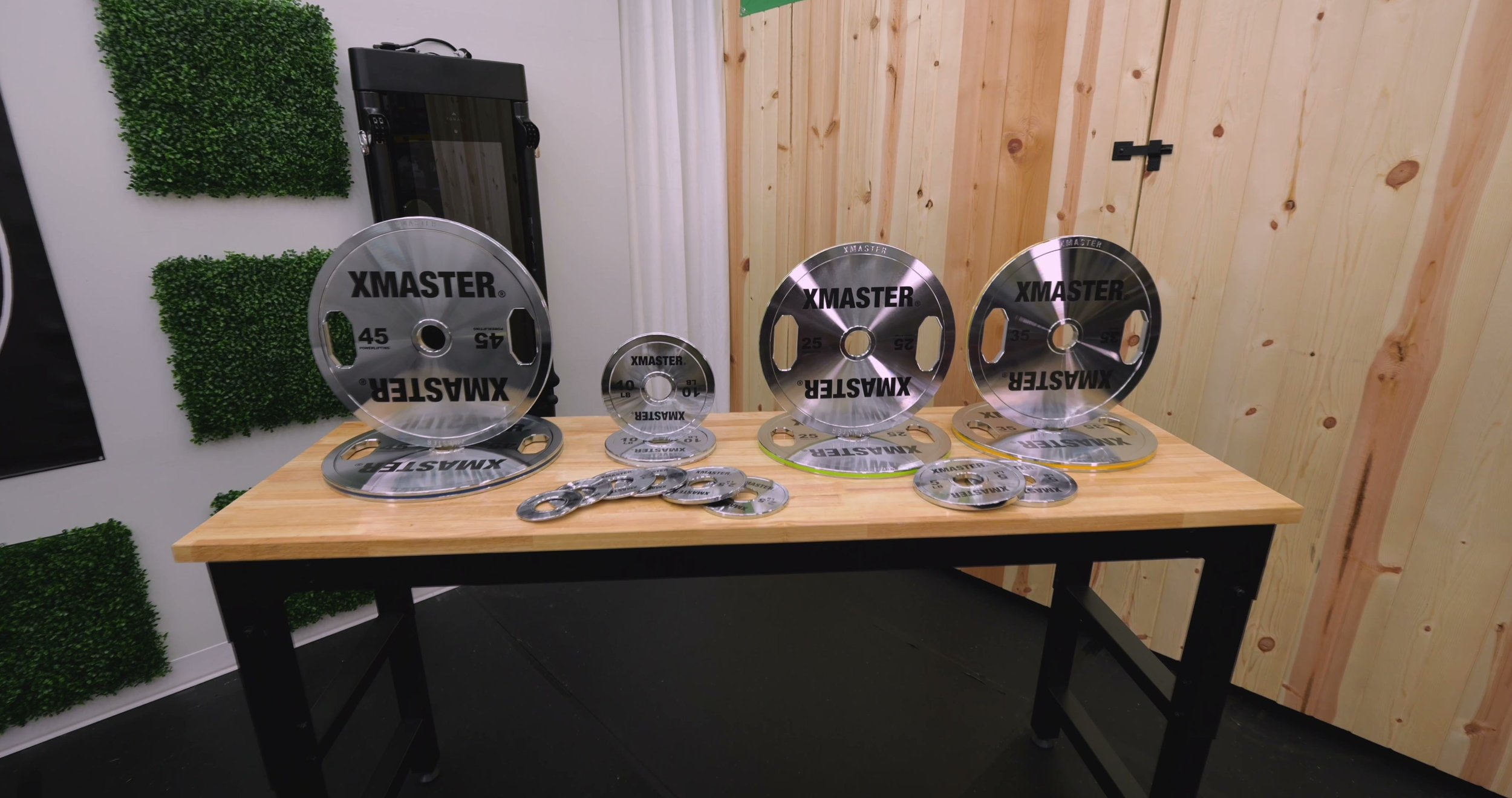
The XMaster Chrome Steel Plates (Hand Grip and Change Plates) are a set of premium home-gym steel weight plates I recommend for lifters who need an ultra-thin, attractive set that lets you load a lot of weight and fit more plates on short machine horns. I tested a near‑complete set for my home gym the Hand Grip Chrome Steel Plates in 45, 35, and 25 lbs plus the Chrome Steel Change Plates from 10 lbs down to 0.5 lb and used pairs of 2.5, 5, and 10 lb change plates for micro‑loading and everyday setup adjustments.
Quick Takeaway
The XMaster Chrome Plates focus on visual appeal and space efficiency. The high‑polish chrome finish gives a metallic look that stands out compared with black cast iron or rubber plates, and the hand grips on the larger plates make them much easier to pick up and load. Because they are machined from solid steel, the plates are noticeably thin — the 45‑pound plate measures about 0.79 inches (20mm) which means you can fit more plates on a bar or machine sleeve. On the downside, the smooth metal can feel slippery in humid conditions, and the tight center‑hole tolerances require careful handling with coated barbell sleeves to avoid scratching.
Quick Specs
Price: ~$299 for a pair of 45 lb plates
Material: Solid steel with a hard chrome finish
Thickness (45 lb): ~0.79 inches (20mm)
Diameter (45 lb): 450mm (IWF/IPF standard)
Design: Hand grips on 25, 35, and 45 lb plates; solid design on change plates
Weight Tolerance: Highly accurate for powerlifting
Where to Buy
You can check the current price directly through XMaster below. Use code "JUNGLEGYM" for 5% off:
Aesthetics and Build Quality
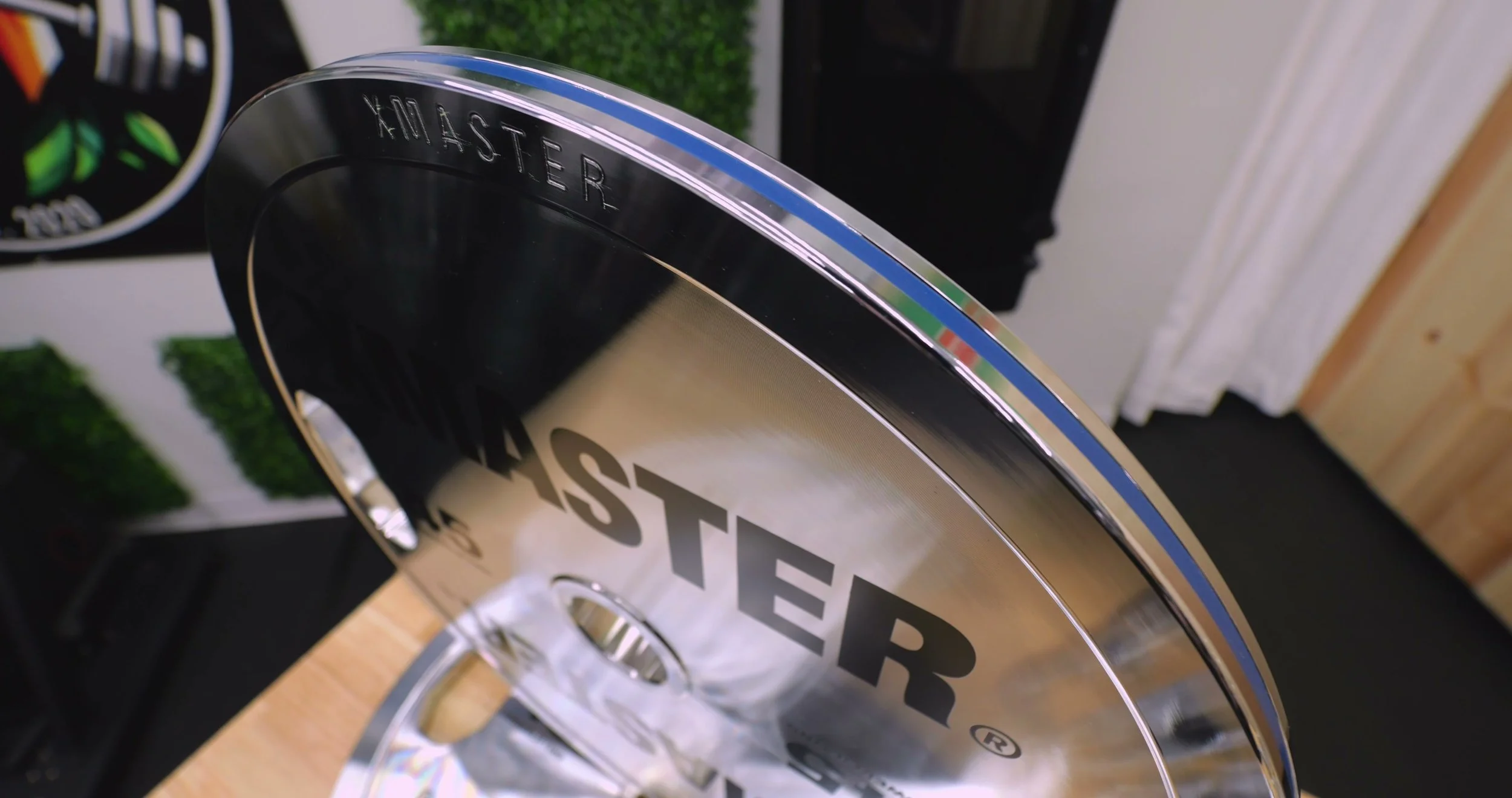
The main reason people pick these plates is how they look. The high‑polish chrome finish is a clear visual upgrade over black cast iron or rubberized plates, and the painted weight callouts plus subtle color bands make it easy to identify plates at a glance (blue for 45 lbs, yellow for 35 lbs, etc.).
Build is solid for a machined steel plate: the lettering is etched and painted rather than stickered, so it should hold up. The 45‑pound plates measure 450mm in diameter, which meets powerlifting standards and keeps bar height consistent for lifts where that matters.
The Thin Profile Advantage
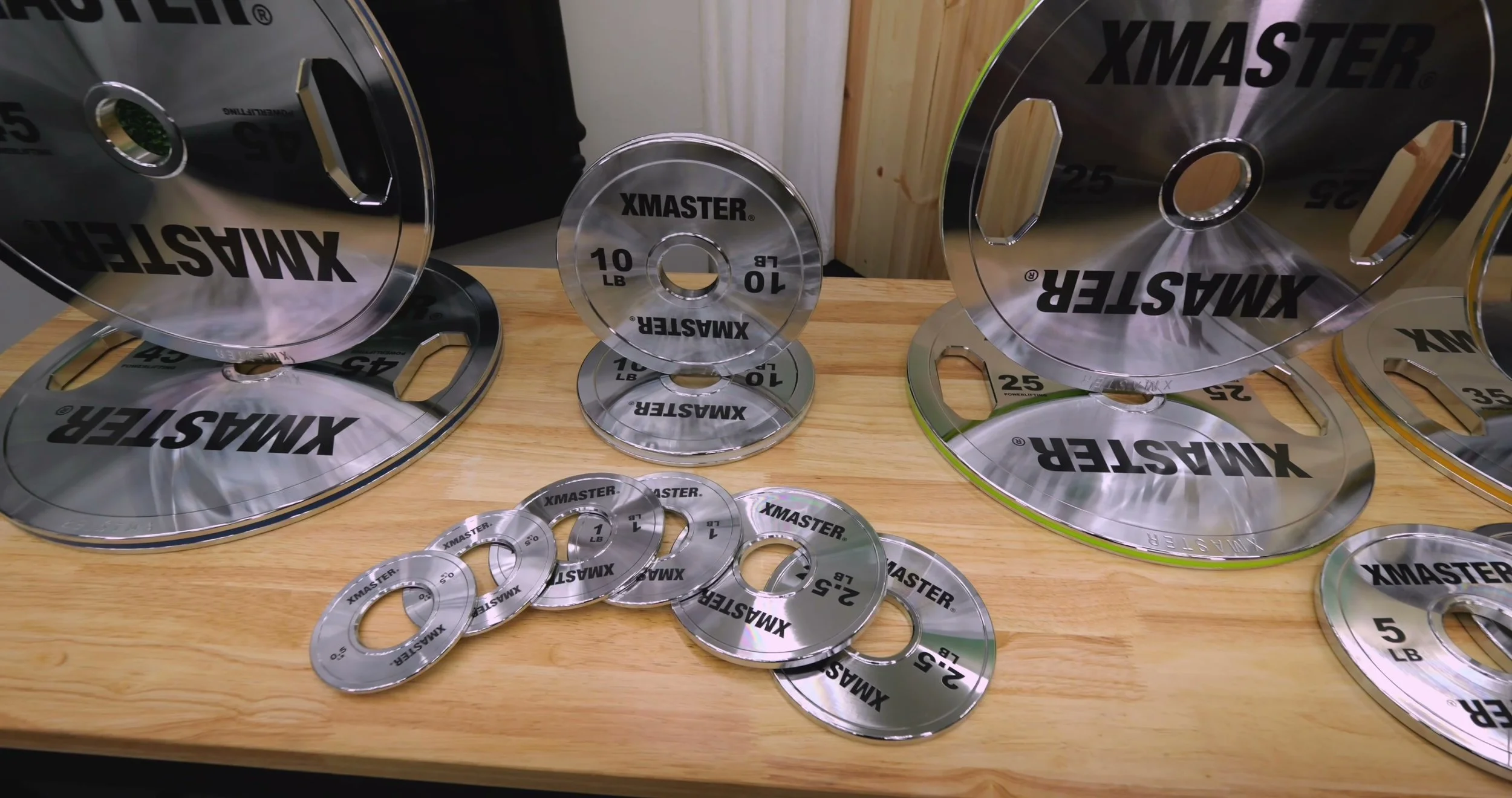
These plates are machined steel, so they are denser and thinner than most cast iron or bumper options. I measured the 45 lb plate at roughly 0.79 inches (20mm) and the 25 lb at about 0.58 inches, which is significantly thinner than typical rubber or urethane plates.
That thin profile is practical: during my setup I loaded the bar with multiple plates and confirmed you can stack more weight on a given sleeve length. This is useful for heavy deadlifters or anyone using plate‑loaded machines with short horns where sleeve space is limited.
Handling and Usability
The Hand Grip series (25 lbs and up) has deep, smooth cutouts that make picking the plates up from the floor and sliding them onto a bar much easier. In my hands-on testing the grips noticeably reduced the awkwardness you get with standard thin calibrated plates that lack handles. The change plates (10 lbs and under) don't have grips, but because I used pairs of 2.5, 5, and 10 lb plates for micro‑loading, they were straightforward to handle for small increments.
Two practical handling tradeoffs showed up in use: the chrome surface can feel slick if your hands are sweaty or if your gym is humid, so extra care is required when carrying heavy plates. Also, the center holes are machined with tight tolerances that helps reduce wobble on the sleeve, but sliding the plates onto a Cerakote or coated sleeve can cause scratching if you aren't deliberate about alignment and movement.
Comparisons / Alternatives
Urethane Grip Plates: Urethane plates are similar in price and offer a textured surface that is easier to grip and quieter, but they are thicker and don't have the metallic look.
Calibrated Steel Powerlifting Plates: Traditional calibrated plates are thin and accurate, but most lack grip cutouts, which makes them harder to pick up from the floor and handle for loading without a rack or helper.
Tradeoffs
Slick when wet. The chrome finish can be slippery if hands are sweaty or in humid environments.
Tight tolerances. Precise center holes reduce rattle but increase the risk of scratching coated barbell sleeves if you slide plates on carelessly.
Metal-on-metal noise. Expect louder clanging than with rubber or urethane plates when they contact each other or the floor.
Who Should Buy
Buy the XMaster Chrome Plates if you want a premium-looking steel set that saves sleeve space and you value the convenience of built-in hand grips on the larger plates. They make sense for powerlifters who need to stack weight, people with plate-loaded machines that have short horns, and home gym owners who care about the aesthetic and compactness of their plates.
Who Should Skip
Skip these plates if you do Olympic weightlifting or CrossFit-style training that involves dropping plates from overhead — steel plates are not designed for repeated drops. Also reconsider them if you train in a very humid environment where the smooth chrome becomes too slippery to handle safely, or if you prefer the quieter, softer contact of urethane or rubber plates.
Common Questions
Can I drop these plates from the platform?
No. These are steel plates and not intended to be dropped from overhead or repeatedly slammed on the floor like bumper plates.
Will they damage coated barbell sleeves?
Possibly — the center holes are tight. In my testing I saw that rough sliding on a coated sleeve can leave marks, so align carefully and slide plates on with control to minimize scraping.
Are the change plates useful for micro‑loading?
Yes. I used pairs of 2.5, 5, and 10 lb change plates for small incremental loading, and they work well for fine adjustments in a home gym setup.
Final Verdict
The XMaster Chrome Steel Plates are a solid option if you want thin, accurate steel plates with an upscale metal finish and practical hand grips on the larger sizes. I assembled and handled a near‑complete set in my home gym and found them easy to use for loading and micro‑loading, with the usual tradeoffs of slippery metal surfaces and potential sleeve wear. If you prioritize look, space efficiency, and precise weight increments, these are worth considering; if you need drop protection or a quieter setup, look at urethane or rubber alternatives.
CHECK PRICE — XMASTER CHROME PLATES
Affiliate Disclosure: Some links may be affiliate links, which help support The Jungle Gym Reviews at no extra cost to you.