REP Open Trap Bar Review
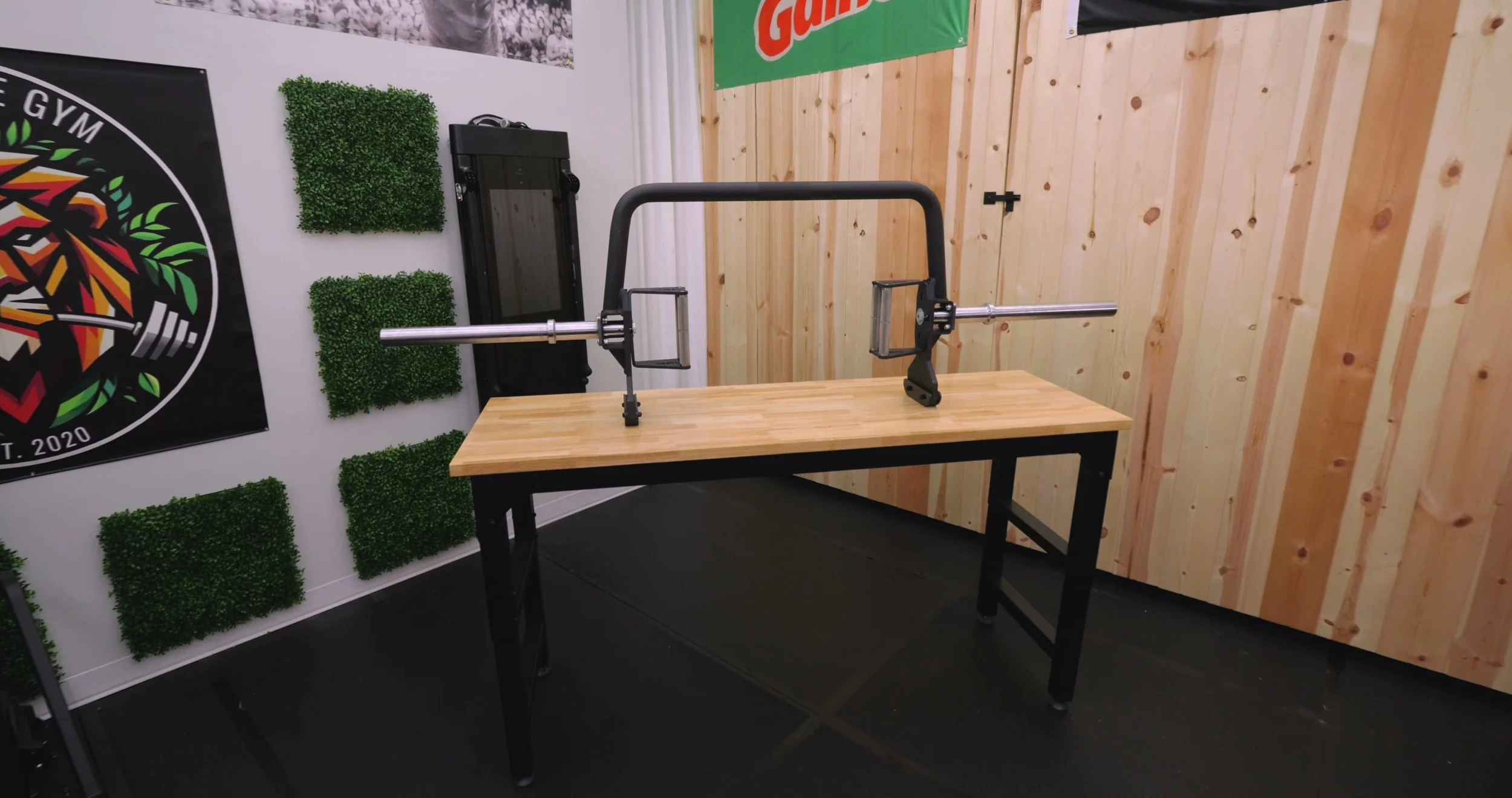
The REP Fitness Open Trap Bar is an open-back specialty trap bar that I recommend for home gym owners who want a deadlift-focused bar that also doubles as a safety squat and cambered pressing option without buying multiple specialty bars. While the open-back design and built-in kickstand have become standard features in the modern trap bar market, REP sets this bar apart with its rackable design, interchangeable handles, and a cambered frame that allows it to cover a surprising number of exercises reasonably well for the price. It excels at deadlifts, though its multi-use nature means some secondary functions come with setup quirks I noticed during testing.
Quick Takeaway
For around $400, the REP Open Trap Bar is a strong value. The knurling on the handles is aggressive and barbell-quality, the chrome sleeves are long enough to hold a large amount of plates, and the built-in kickstand makes loading and unloading plates easier. The ability to swap between narrow, standard, wide, and rotating handles allows you to customize the bar to your frame. While it functions very well as a trap bar for deadlifts, using it as a rackable safety squat or for pressing requires more careful setup and some patience with racking.
Quick Specs
Price: ~$399 (includes one set of handles)
Weight: ~58 lbs (frame only), ~70 lbs (with handles)
Sleeve Length: 16.5 inches (hard chrome finish)
Rackable Width: Fits racks from 47 to 49 inches wide
Handle Options: Narrow, Standard, Wide, and Rotating (sold separately or chosen at checkout)
Knurling: Aggressive volcano knurl (similar to a bare steel power bar)
Features: Built-in kickstand with UHMW protection, cambered frame for squats/pressing
Where to Buy
You can check the current price directly through REP Fitness below.
My Real-World Experience
I have owned and tested several trap bars over the years, from cheap closed hex bars to premium open designs like the Giant Northland and the Rogue Hex Trap Bar. I actually sold my Giant Northland to get this REP bar, so I put a fair amount of use into it—primarily trap bar deadlifts, Romanian deadlifts (RDLs), safety squat variations, overhead (military) presses, bench press setups, and rows during my testing. Doing those specific movements helped highlight where the bar shines and where the tradeoffs show up.
The build quality is what I'd expect from REP: thick steel tubing, clean welds, and practical details. The built-in kickstand is the most useful deadlift feature—its UHMW-lined sandwich pads let you tip the bar vertically so the sleeves sit off the floor for loading plates. I used that on every deadlift session; it removed the need for a deadlift jack and made loading plates quicker and safer for my back.
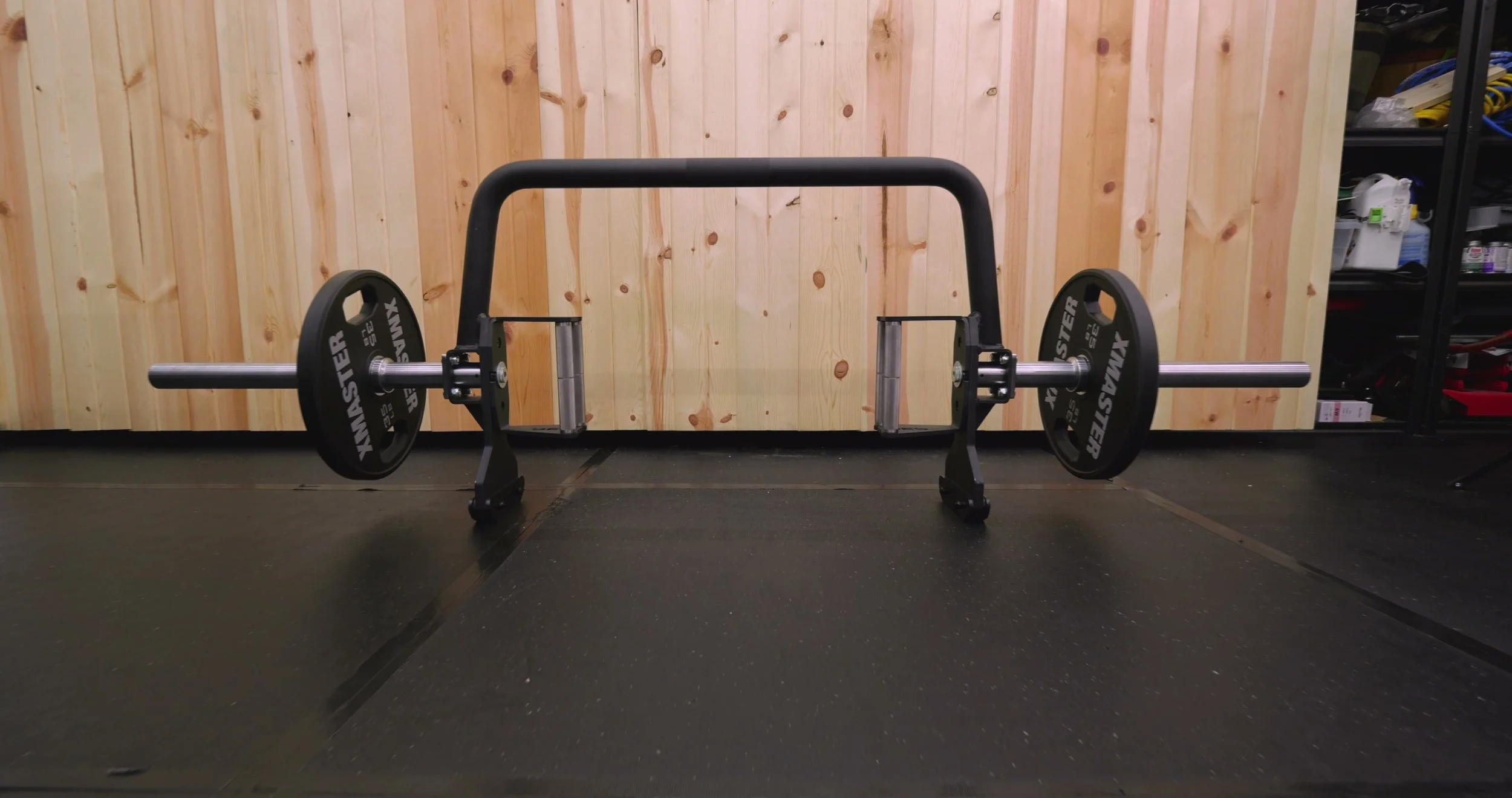
Handle setup is straightforward: the handles are removable with a large hex key, and I swapped to the narrow handles because at 6'2" with a 74-inch wingspan they put my arms just outside shoulder width. That felt ideal for deadlifts and overhead pressing for my frame. The knurling is very aggressive—I noticed it bites in on heavy sets and leaves more imprint than milder knurling would. If you prefer softer knurl or have delicate hands, this is an important consideration.
During squats and presses I observed the tradeoffs of the cambered, rackable frame. The bar wants to tilt as you maneuver it into the J-cups, so I ended up racking it a bit lower than I would a standard bar to clear the rack. That tilting and the bar's center of gravity mean racking and unracking takes more attention and a slightly different technique. Handles can also interfere: with certain handle widths I had to watch for elbow contact on presses and leg contact on wider-stance squats. Those are manageable but worth knowing if you plan to use the bar as a frequent SSB or pressing tool.
The Handles and Knurling
REP allows you to choose your handle width when purchasing the bar, and you can buy additional handles to swap out later using a large hex key. I opted for the narrow handles. At 6'2" with a 74-inch wingspan, the narrow handles place my arms just outside shoulder width, which feels right for both deadlifts and overhead pressing. If you have a wider frame, you may prefer the standard or wide options.
The knurling on the 28mm handles is fantastic, but be warned: it is aggressive. It features a volcano-style pattern that feels very similar to a bare steel Rogue Ohio Power Bar. It bites into your hands and ensures the bar will not slip, even on heavy pulls. However, if you have softer hands or prefer a milder knurl, this bar will definitely leave an imprint. I personally like the extra grip, but it is worth noting.
Versatility: Squats, Rows, and Presses
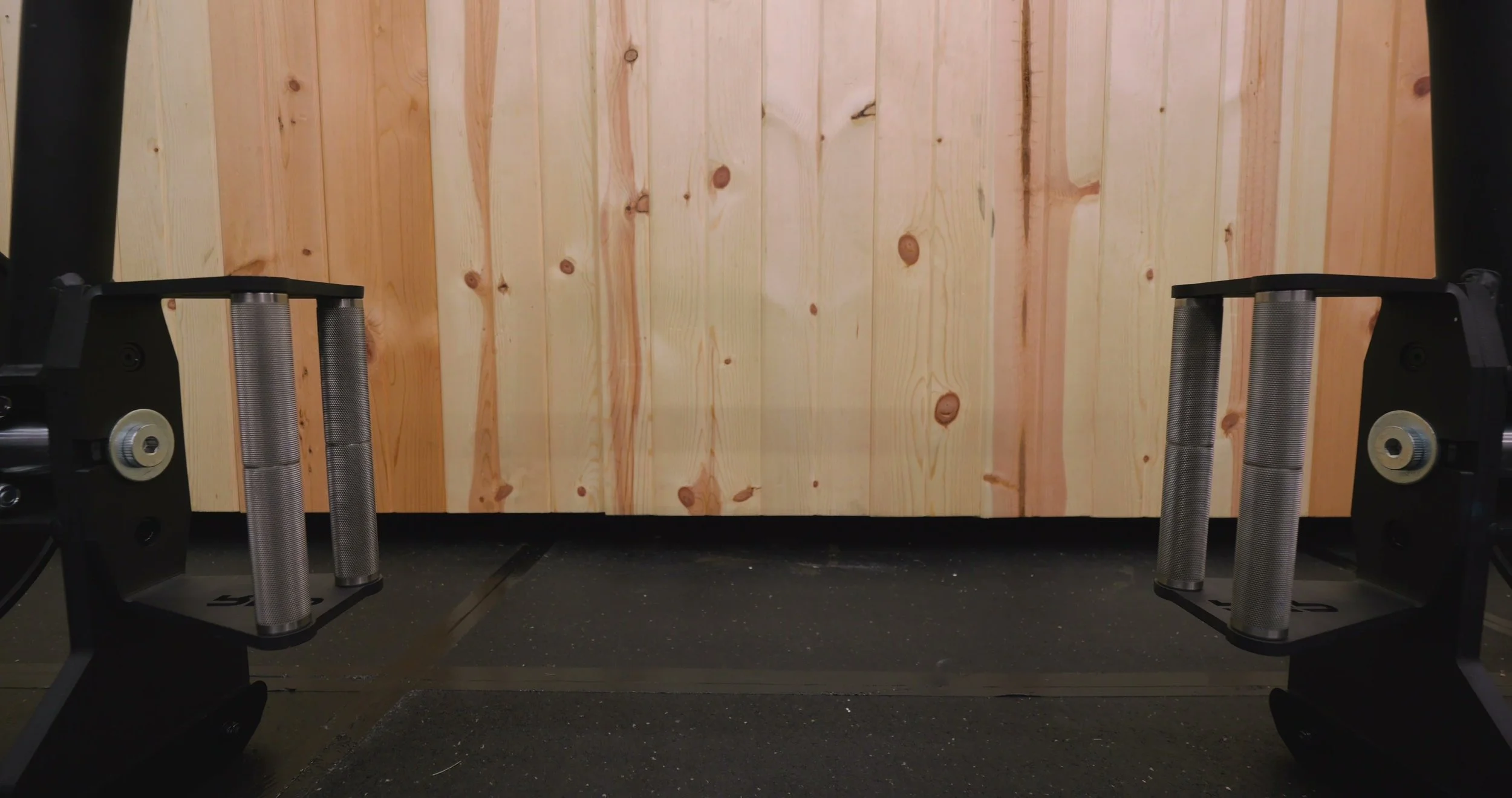
Because the bar is rackable (fitting racks between 47 and 49 inches wide), you can use it for much more than deadlifts. The frame features a section of light knurling specifically designed to grip your shirt when you place the bar on your back for safety squats. In my testing it worked well for safety squat variations, though it does not perfectly mimic a dedicated safety squat bar—expect some positional differences and monitor handle interference if you have a wide stance.
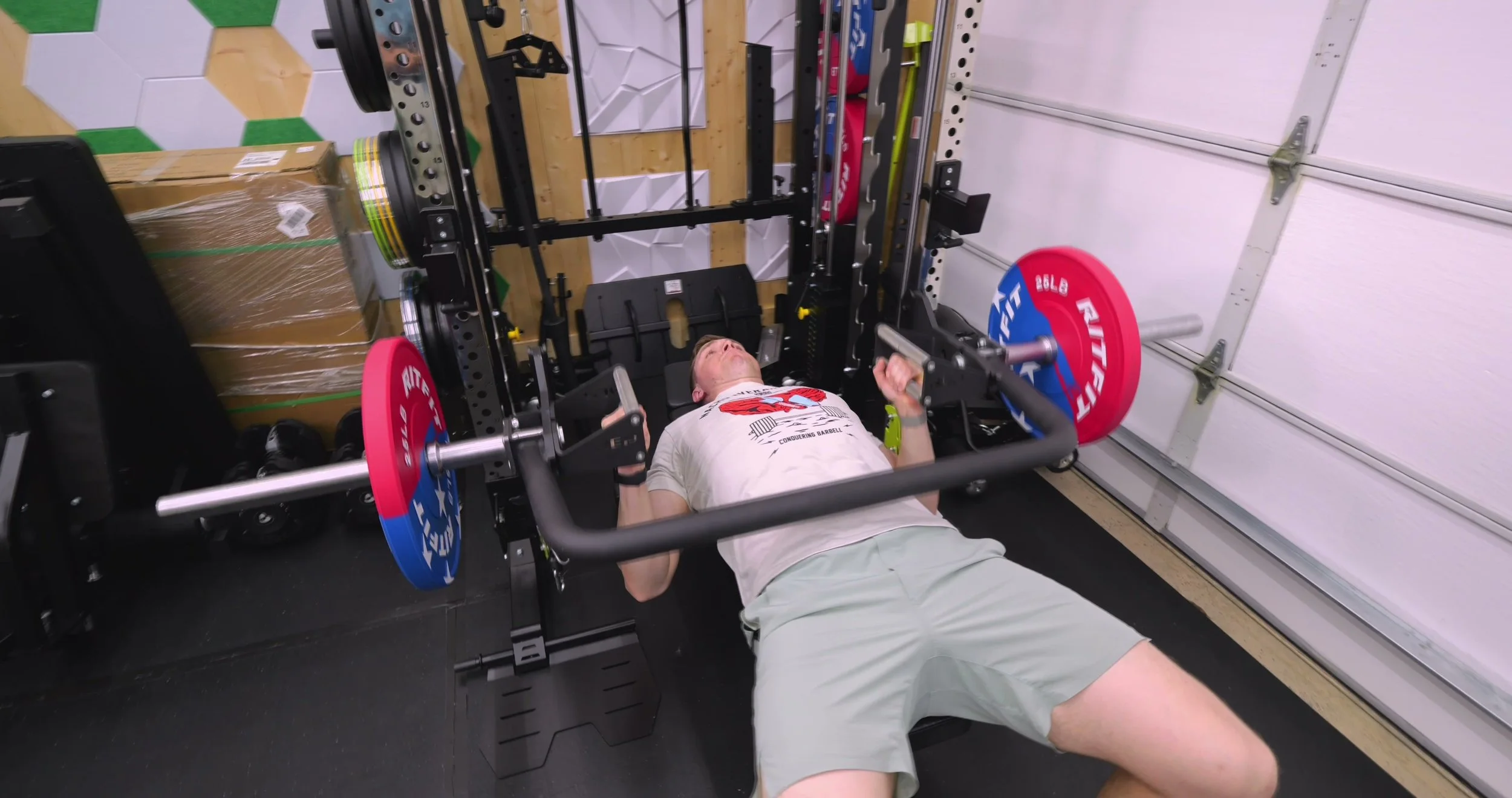
I also used it for cambered-style bench pressing, overhead pressing, and chest-supported rows. The open design gives you room to move, and the cambered frame allowed for a slightly different pressing path. That said, racking and unracking for these exercises can feel awkward in practice: the bar tends to tilt because of its center of gravity, and you often need to set it lower in the J-cups to get it clear. It's a minor annoyance for the added versatility, but something I ran into every session that used racked movements.
Comparisons / Alternatives
Bells of Steel Open Trap Bar: A slightly cheaper alternative that also features a built-in kickstand and rotating sleeves. However, the frame tubing is smaller, and it lacks the rackable width and interchangeable handles of the REP bar.
Rogue TB-2 Trap Bar: A premium, heavy-duty option, but it is a closed hex design, meaning you lose the versatility of lunges, split squats, and cambered pressing. It also lacks a built-in kickstand.
Tradeoffs
Aggressive knurling. The volcano knurl is sharp and may tear up your hands if you are not used to power bar knurling.
Awkward racking. Using the bar for squats or bench presses requires careful racking and un-racking due to the bar's center of gravity; you'll likely need to rack it lower than a standard bar to clear the J-cups.
Handle interference. Depending on the handle width you choose, the handles may bump your elbows during presses or your legs during wide-stance squats.
Heavy starting weight. At roughly 70 pounds with handles, you have to account for the extra weight when doing your plate math, which can be challenging for lighter pressing movements.
Who Should Buy
Buy the REP Open Trap Bar if you want a deadlift-focused specialty bar that can also replace a safety squat bar and a cambered multi-grip press bar for many lifters. It is a good fit for home gym owners who want to maximize exercise options without buying three separate specialty bars. The built-in kickstand and aggressive knurling make it very practical for heavy pulling sessions.
Who Should Skip
Skip this bar if you only care about deadlifting and want the absolute cheapest option available, as there are budget open trap bars for under $200. You should also skip it if you prefer mild knurling, as the aggressive grip on this bar will likely be too sharp for your liking.
Common Questions
Can this replace a dedicated safety squat bar?
Short answer: For many lifters, yes—it handles safety-squat-style work well enough to replace a dedicated SSB in a home gym. Caveats: it doesn't exactly feel like a purpose-built SSB and handle interference or body position may affect some lifters.
Are multiple handles included or sold separately?
REP includes one set of handles with the bar (you choose the width at checkout). Additional handle styles—narrow, standard, wide, rotating—are available separately so you can swap them with a hex key.
Will it fit my rack?
Check your rack's inside-rail width. The bar is rackable for racks that measure roughly 47–49 inches inside; if your rack falls outside that range the bar won't sit properly in the J-cups for racked movements.
Final Verdict
The REP Open Trap Bar is a practical, well-built specialty bar that excels at deadlifts and offers useful versatility for safety squats, pressing, and rows. At $399 you get thoughtful features like a UHMW-lined kickstand, long chrome sleeves, and interchangeable handles. It isn't a perfect replacement for every specialty bar, and racking/setup quirks are the main tradeoffs I noticed in regular use, but for lifters who want one multi-use tool for a home gym, it's a solid and cost-effective choice.
CHECK PRICE — REP OPEN TRAP BAR
Affiliate Disclosure: Some links may be affiliate links, which help support The Jungle Gym Reviews at no extra cost to you.