REP Fitness Altitude Power Rack Review
This product was in house tested by Michael at the Jungle Gym Reviews.
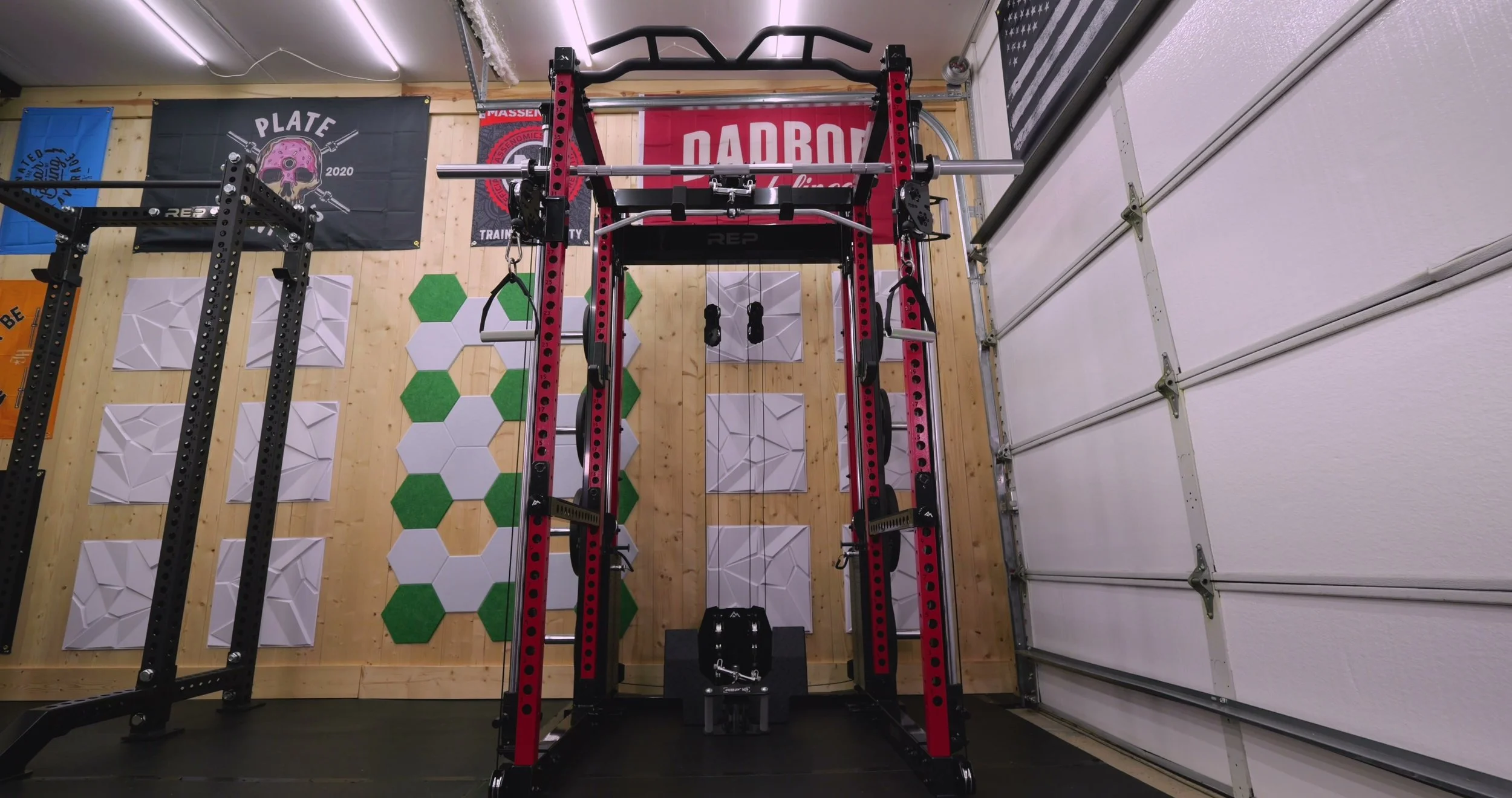
The REP Fitness Altitude Power Rack does a really good job of translating REP’s fit, finish, and overall quality into a more affordable 2x2 ecosystem without making it feel cheap. The biggest strength here is that it lets you start with a solid six-post rack and build into a cable setup or full all-in-one over time, while still keeping the overall footprint and price below REP’s bigger 3x3 systems. The biggest tradeoff is attachment compatibility, because once you go 2x2, you are giving up a lot of the aftermarket freedom and future tinkering that makes 3x3 racks so attractive. I think this makes the most sense for someone who wants REP quality in a cleaner, simpler package, while people who know they want lots of add-ons and cross-brand attachments should hesitate.
Quick Specs
Base Rack Price: $899.99
Rack + Cable System (170 lb stacks): ~$3,109
Rack Type: 2x2, 6-post
Upright Size: 2”×2” (50mm × 50mm)
Steel Gauge: 14-gauge uprights, 11-gauge base
Hole Size: 1”
Hole Spacing: 2”
Rack Capacity: 700 lbs
Height Options: 83” (83.5” actual) / 90” (90.5” actual)
Rack Width: 49.4” (65.2” with weight horns)
Rack Depth: 57”
Interior Depth: 29” (21.7” with Smith Machine)
Interior Width: ~41.5” (measured)
Pulley Exit Width: ~48” (measured)
Color Options: 7 (metallic black, matte black, red, blue, white, olive, stainless)
Weight Stacks (Standard): Dual 170 lbs
Weight Stacks (Upgraded): Dual 270 lbs
Pulley Ratio: 2:1
Max Felt Weight (Standard): 85 lbs/side
Max Felt Weight (Upgraded): 135 lbs/side
Smith Bar Height: 74.5-75” to bar bottom
Smith Bar to Floor: ~11.5” to bar center
Smith Capacity: 400 lbs
Smith Bar Weight: ~15 kg (33 lbs)
Shrouds: Optional ($150)
Included: J-cups, multi-grip pull-up bar, weight horns (4 pairs), flip-down safeties
Where to Buy the REP Fitness Altitude Power Rack
Check current pricing and configuration options, since this rack can be built from a simple base rack into a much more complete setup.
My Real-World Experience
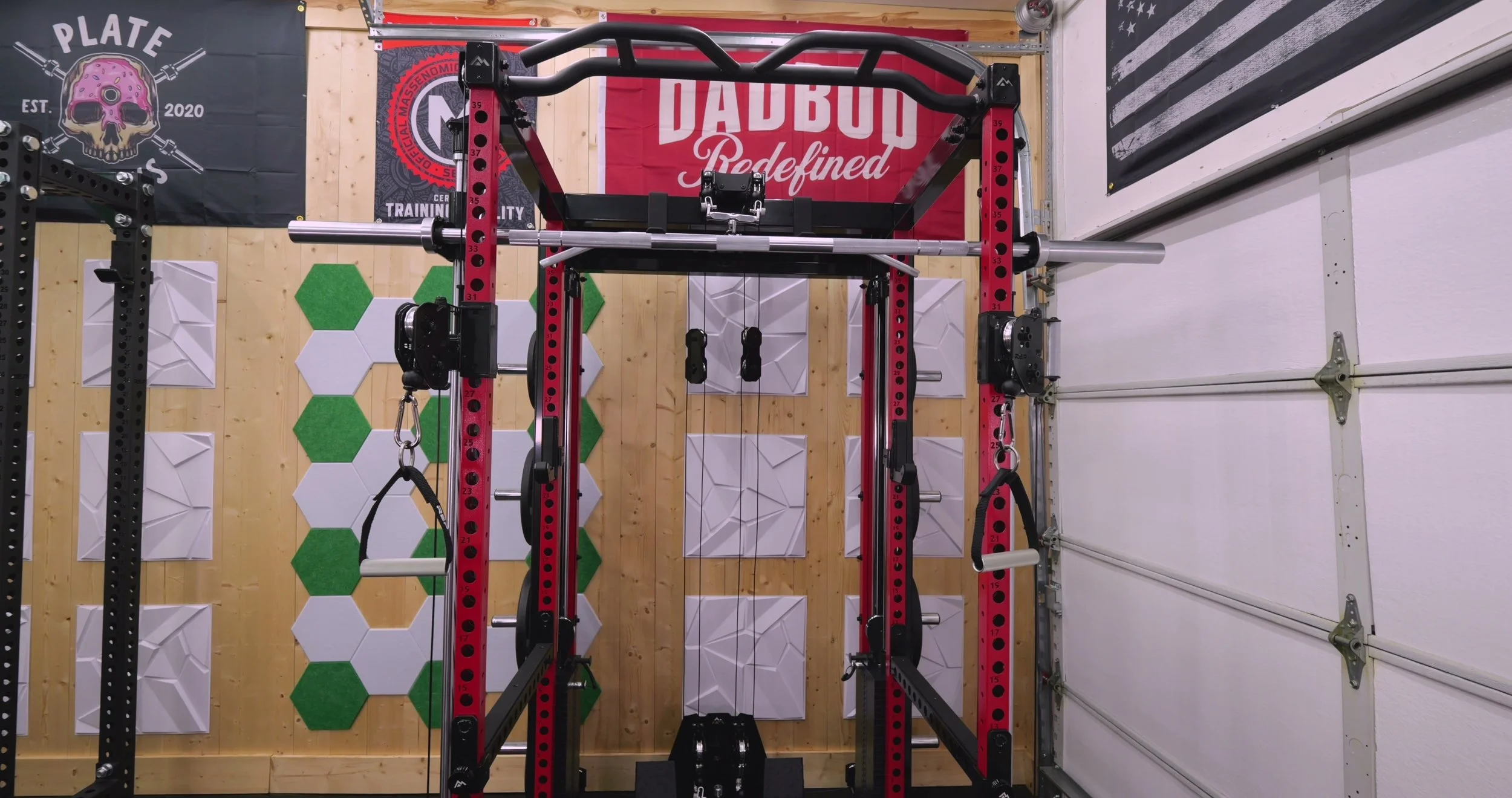
The thing that stood out to me right away with the Altitude is that it does not feel like REP made a cheaper rack just to hit a lower price point. It still looks, feels, and functions like REP equipment. The finish is clean, the knurling and hardware feel premium, and the overall fit is exactly what I expect from them at this point.
That said, the real story here is not just that it is a 2x2 rack. It is that REP is trying to give people a simpler path into a home gym ecosystem without making them commit to the cost and complexity of the PR-4000 or PR-5000 world right away. I think that part makes a lot of sense.
From a day-to-day use standpoint, the rack itself feels solid. It is not overbuilt in the same way a heavier 3x3 rack is, but it also never felt flimsy to me. For pull-ups, squats, and general training, it behaves like a normal quality rack should. There is some expected movement, but nothing that made me question it.
I also had a customer service issue right out of the box with one of the safety brackets being too narrow from the factory. REP handled it exactly how I would want them to. They responded quickly and shipped a replacement right away. That kind of thing matters when you are spending real money on a rack system and want confidence that problems will actually get solved.
Training Use Cases
If you buy the base rack only, the Altitude is a good fit for someone who wants a clean, well-made six-post rack with integrated storage and no need to overthink a hundred attachment choices. In that form, it is a straightforward barbell and free-weight setup with a premium feel.
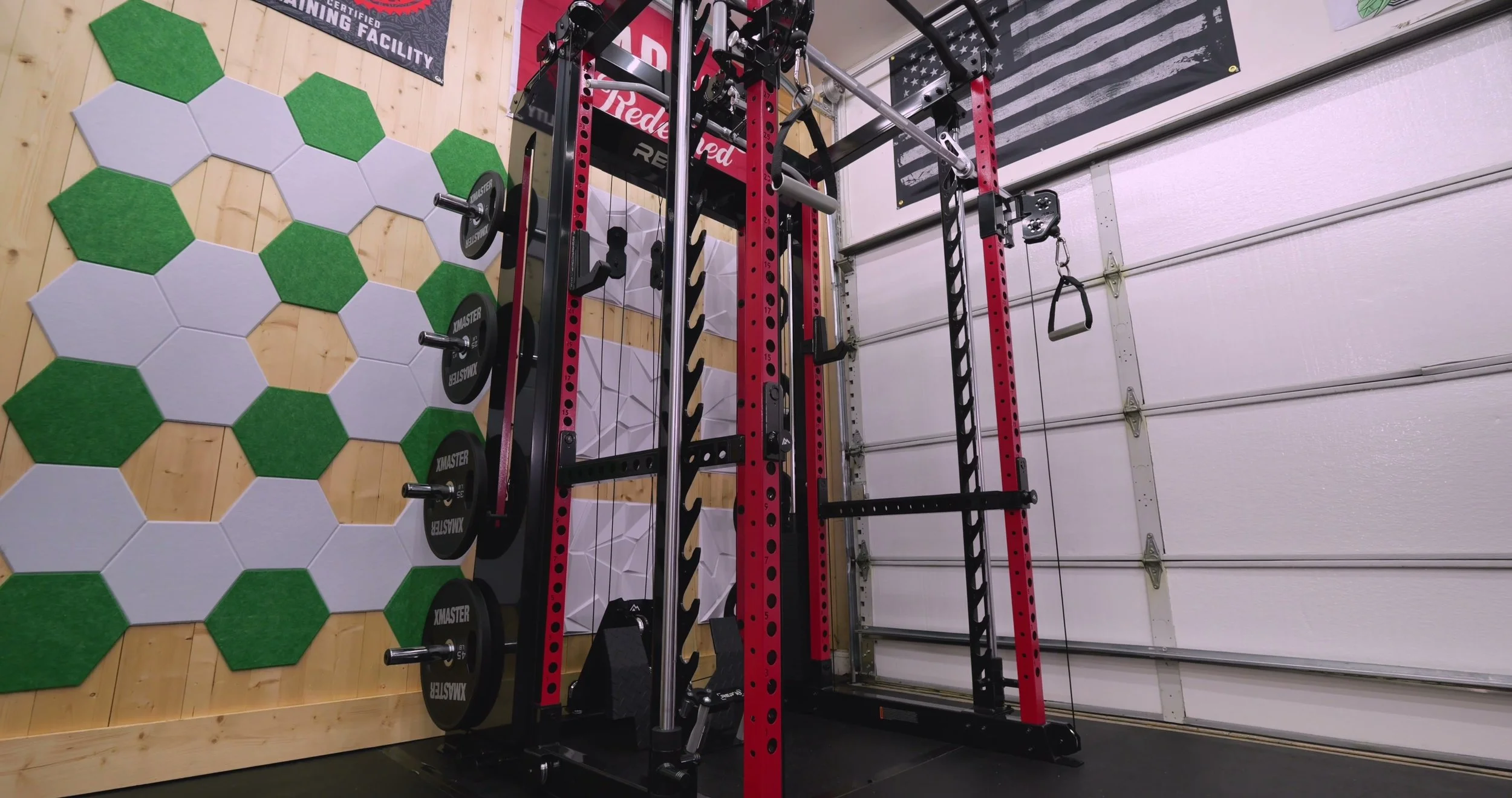
Once you add the cable system, it becomes much more compelling. That is where I think the Altitude really starts to separate itself from a basic 2x2 rack. The cable setup is extremely smooth, and it makes the rack feel much more complete for home gym training where you want barbell work, cables, pull-ups, and storage all in one footprint.
I think it works especially well for general strength training and hypertrophy-style training. If you are mostly using cables for rows, flys, pushdowns, curls, lateral raises, and other accessory work, the standard 170-pound stacks are plenty useful. You can also combine the stacks for movements like lat pulldowns and low rows, which helps the system feel more versatile than the listed felt weight might suggest at first glance.
Where I think it becomes less ideal is for the person who knows they want a super modular platform. If your training style revolves around constantly adding specialty attachments, retrofitting pieces from different brands, or building a Frankenstein rack over time, this is not the easiest platform for that.
Tradeoffs & Limitations
The biggest tradeoff is the attachment ecosystem. This is really the main thing you need to understand before buying it. Because it is 2x2 instead of 3x3, you are just not getting the same universal compatibility that makes larger racks so easy to build around. There are some 2x2 attachments out there, but the market is far thinner, and the options are usually less robust and less flexible.
That is not necessarily a flaw in the Altitude itself. In a way, that is the whole point of the Altitude. It is meant for people who do not want or need all of that. But if you are someone like me who tends to think about future add-ons and cross-brand compatibility, you will feel that limitation quickly.
The upgraded 270-pound stacks are another area where I think most people should be careful. They are cool on paper, but I honestly do not think most users need them here. Because of the 2:1 ratio, you are still talking about 135 pounds felt per side at the top end, and for the way most people will use this rack, the standard stacks are already enough. If you occasionally need more, a magnetic weight stack pin is a cheaper solution.
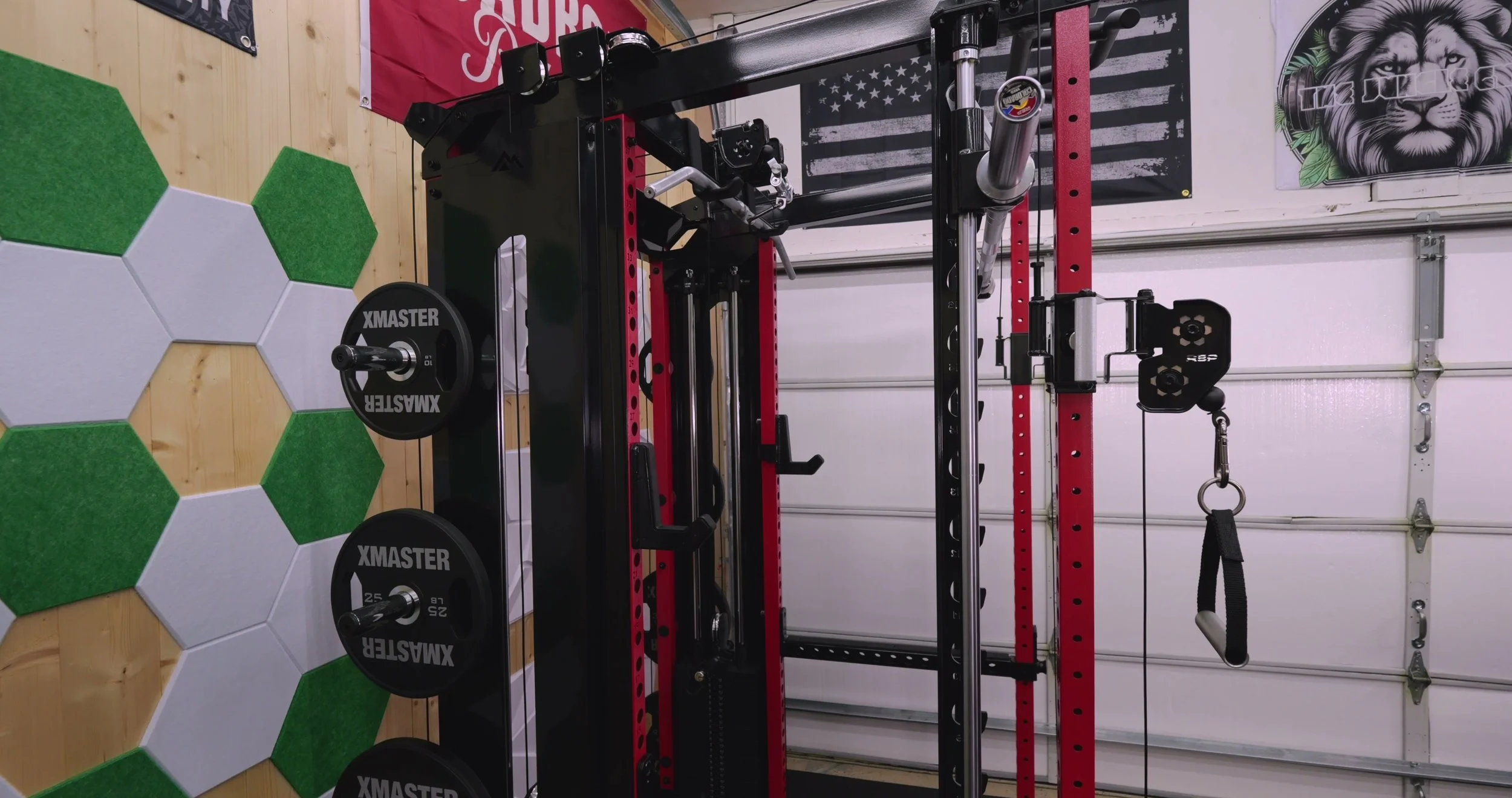
The Smith Machine is also a mixed bag. It is well made and functions well, but it eats into the usable interior depth in a very noticeable way. Going from 29 inches to 21.7 inches changes how the rack feels. If you know you want a Smith and are okay with that compromise, fine. But for me, it makes the rack feel more crowded than I would want from a daily setup.
Value & Alternatives
I think the value here depends heavily on how you configure it. At the base rack price, I like the proposition. You are getting a good-looking, well-made six-post REP rack with built-in storage and less decision fatigue than the bigger ecosystems. That is appealing.
Once you start building it out, though, the comparison changes. At that point, you have to honestly ask whether the savings over REP’s 3x3 systems are worth the tradeoff in modularity. For a lot of people, I think the answer will still be yes. For others, especially those who know they want to expand and experiment, that extra money for a 3x3 platform may be the smarter long-term move.
If I were recommending a configuration for most people, I would say start with the rack and then add the cable system later if you know you will use it. That is where the Altitude makes the most sense to me. The base setup is clean and capable, and the cable upgrade actually adds meaningful functionality rather than just clutter.
Who Should Buy This
This is a strong option for someone who wants REP quality, wants an all-in-one direction available over time, and does not care much about cross-brand attachment flexibility.
Who Should Skip It
I would skip it if you already know you want a deeply modular setup with lots of aftermarket or future specialty attachments, because that is where 3x3 racks still make a lot more sense.
Final Verdict
The REP Fitness Altitude Power Rack is a smart rack for the right buyer. It brings REP’s high-end feel down into a more approachable tier without feeling watered down, and the cable system makes it much more capable than a typical 2x2 rack. The catch is that once you choose this lane, you are also choosing less modular freedom than a 3x3 rack would give you. If you want simplicity, quality, and a strong built-in path from basic rack to complete training setup, the Altitude does that really well.
Affiliate Disclosure
This article contains affiliate links. If you buy through them, I may earn a commission at no extra cost to you.