Iron Bull Strength Frankenstein Power Rack Review
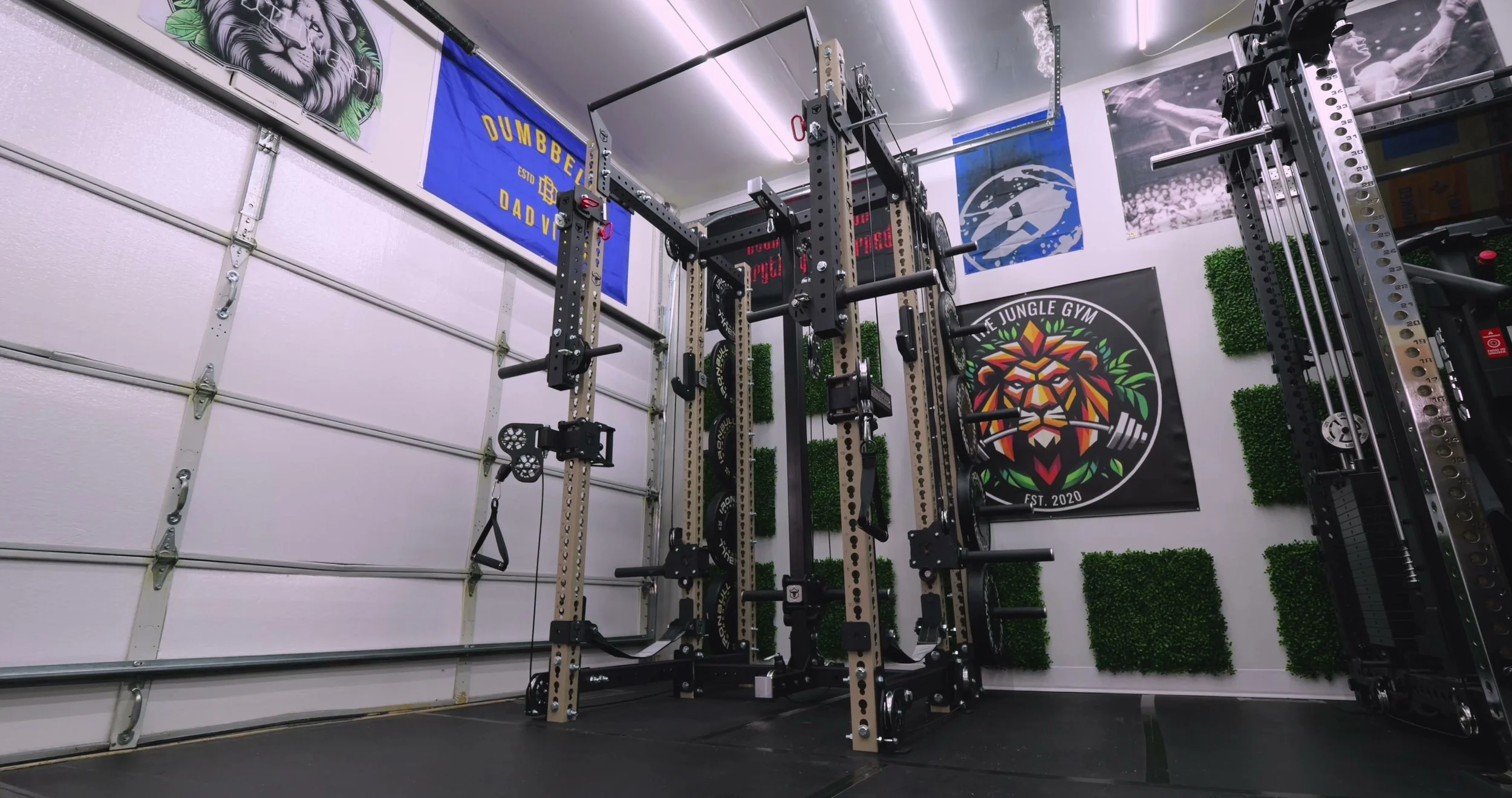
This product was in-house tested by Michael at The Jungle Gym Reviews.
The Frankenstein uprights are genuinely cool if you care about attachment cross-compatibility and you like the made-in-Canada angle and custom options. The biggest tradeoff is that the system feels like it’s still smoothing out real-world fitment and “small details” that matter a lot when you’re paying premium rack money. It’s best for someone who values design, domestic manufacturing, and customization and is okay dealing with some tolerance and setup compromises. If you want a rack ecosystem that feels fully dialed-in out of the box at this price level, you should hesitate and compare hard.
Quick Specs
Upright Size: 3x3
Steel Gauge: 11-gauge
Hole System: Keyhole design supporting 1" and 5/8" attachments
Keyhole Placement: Both sides of the uprights (not only the sides of the rack)
Rack Configuration Mentioned: 6-post (PR2 builder base with Frankenstein uprights)
Center Attachment: Center-mounted plate-loaded high-low pulley
Side Attachment: Plate-loaded functional trainer trolley attachment
Functional Trainer Ratio: 2:1
Functional Trainer Price Mentioned: ~$1,200 (cable trolley attachment)
Rack Price Range Mentioned: ~$3,000 to ~$5,500 (as configured)
Company Location Mentioned: Quebec, Canada
Where to Buy the Iron Bull Strength Frankenstein Upright Power Rack
Check current configuration pricing and availability, since this system is often purchased through a builder and add-ons change the total quickly.
My Real-World Experience
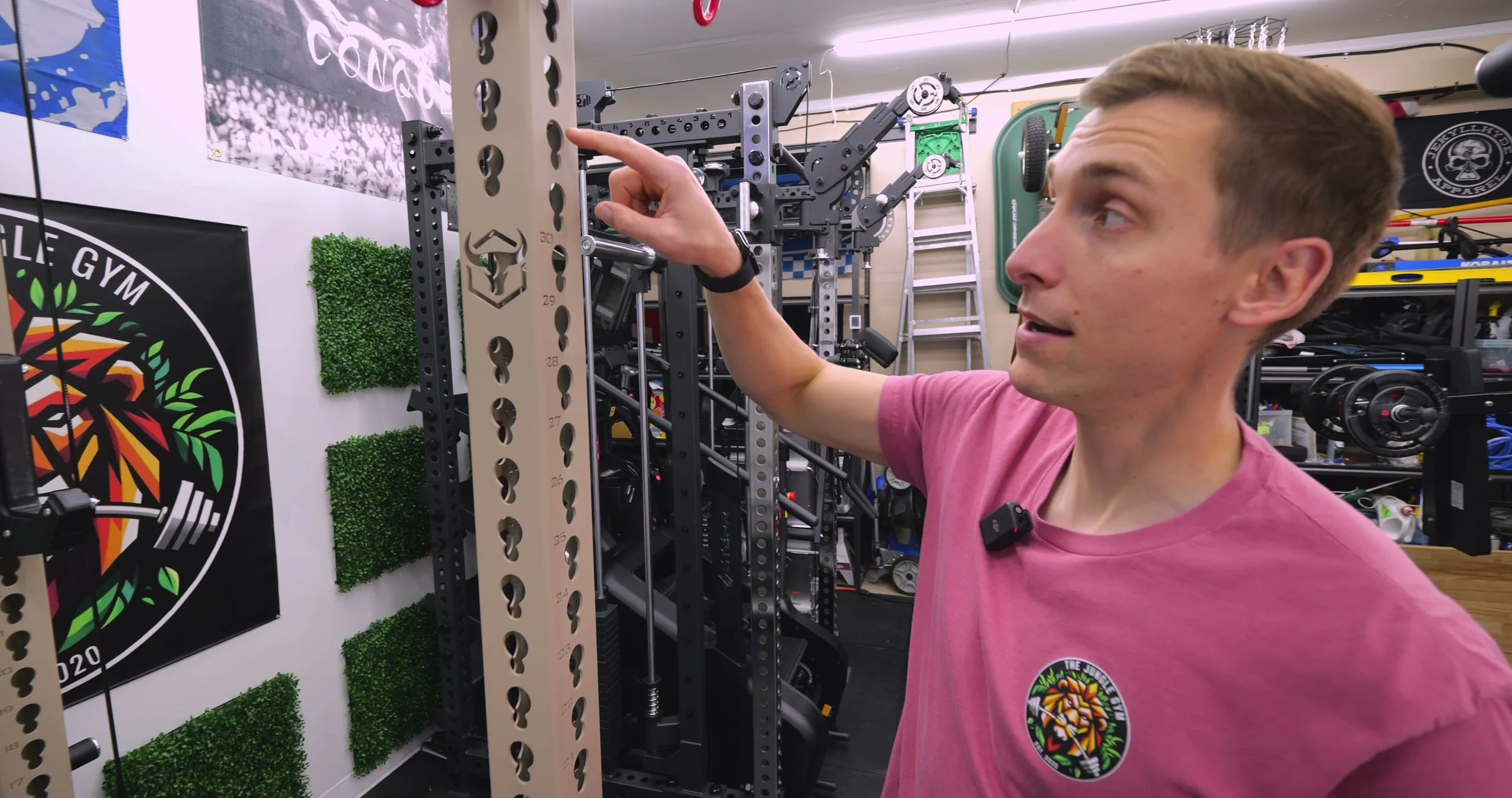
The first thing Iron Bull absolutely nails is the idea of the Frankenstein uprights. If you’ve ever owned a rack and felt boxed into one hole size ecosystem, the appeal here is obvious. You can run 1" attachments up top and 5/8" attachments down low, and because they put the keyhole pattern on both sides of the upright (not just the rack’s side faces), you’re not stuck thinking “I can use this only in one orientation.”
In practice, the keyhole shape is where I noticed a small usability hit. A lot of companies use more of a U-shaped keyhole so a 5/8" pin or attachment naturally drops into place. Iron Bull’s pattern is more like two circles merged together. It’s not a deal-breaker, but when you’re handling heavier attachments—especially things like lever arms—anything that makes alignment fussier gets old faster than you think.
Where my real frustrations started was less about the uprights and more about how the system fits together once you add the cable pieces and start training like you actually train.
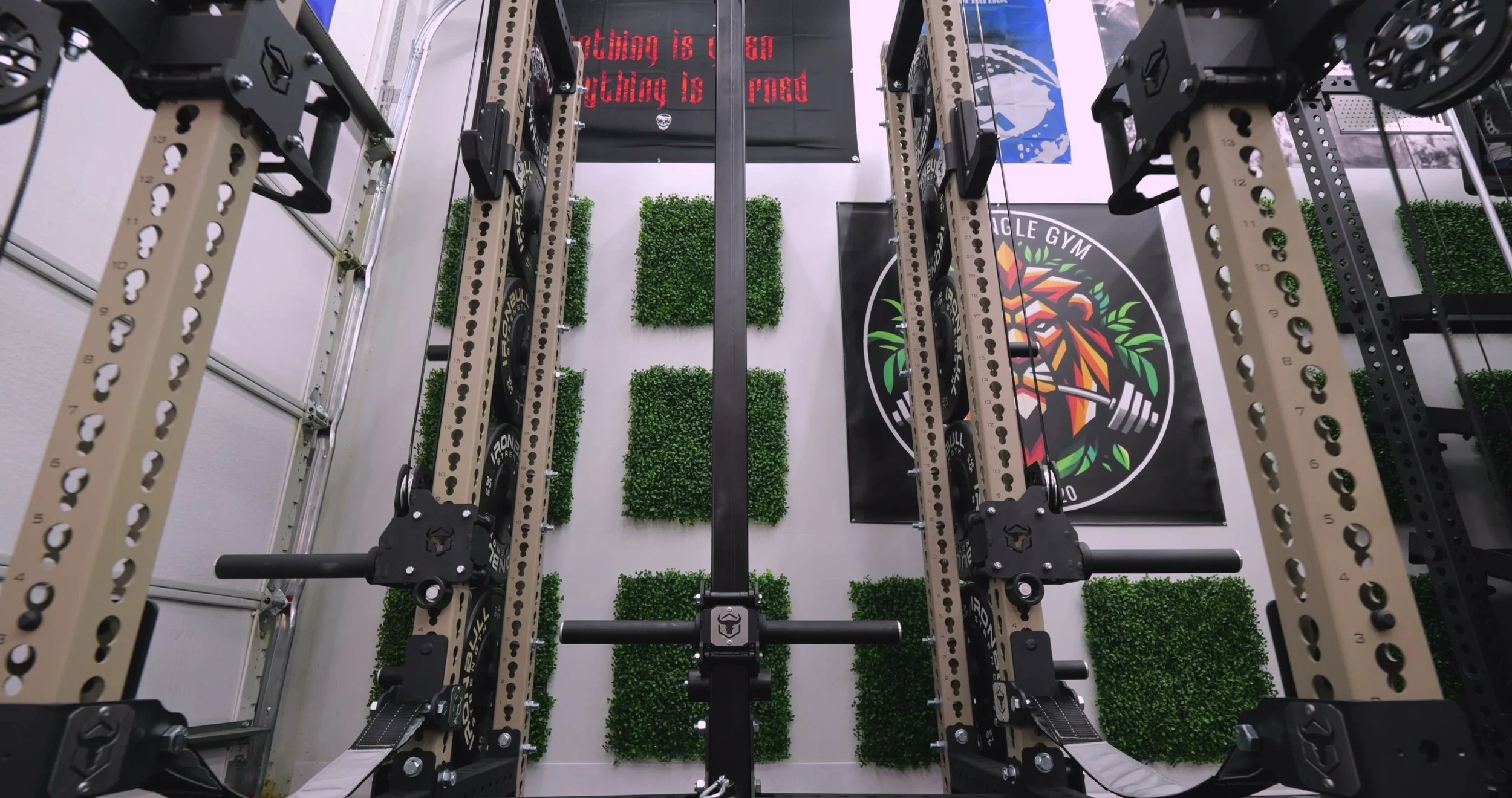
Center-mounted high-low pulley
The center high-low pulley kit itself feels really good in use. The rollers track well, the pulleys feel smooth, and the whole thing performs like the better plate-loaded trolley systems I’ve used. For basic low pulley work where you’re standing right over the pulley—like curls—it’s straightforward and smooth.
Where it gets awkward is anything that needs space and a longer line of pull—especially low rows. Being this close to the rack kills your range of motion. I ended up improvising solutions just to create enough distance to row properly, and that’s the kind of thing that shouldn’t be necessary on an expensive rack ecosystem unless it’s clearly designed for DIY-minded users.
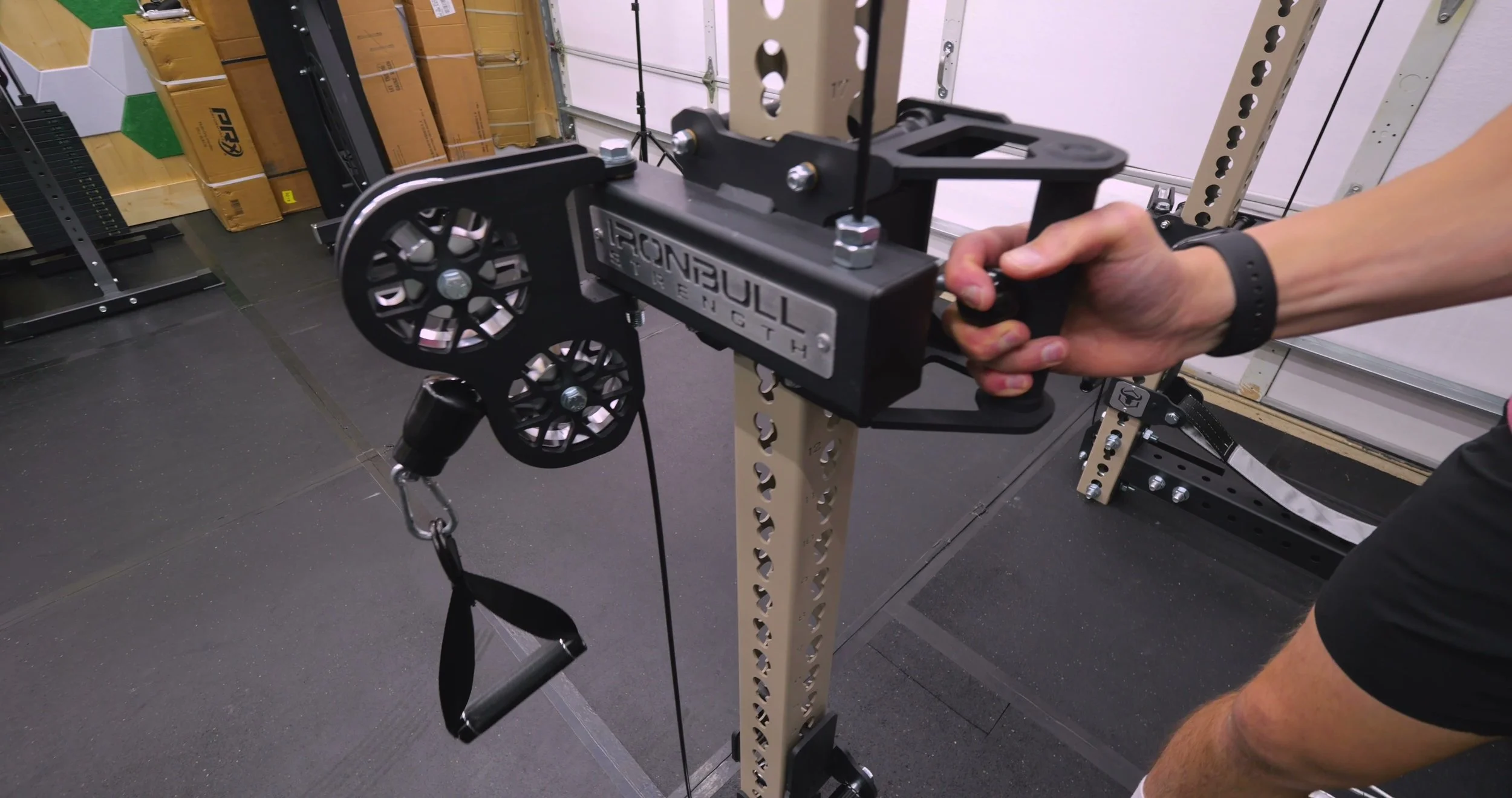
Side-mounted functional trainer trolley (FTPL style)
This is the part I actually like a lot. It’s very smooth, it’s easy to move up and down the upright with one hand, and the overall look and design language is strong. As a functional trainer-style add-on, it’s legitimately impressive.
The issue I noticed under heavier loads is that loading weight on the outside can introduce a little vibration as the trolley rides past holes—because you’re effectively creating a twist/torque toward the loaded side. It still works, and it stays smooth, but you can feel that “click, click, click” texture. A simple fix would be an option to load more evenly (like an inside horn option) so the trolley stays balanced.
Tradeoffs & Limitations
The consistent theme with this setup is that it looks premium, the marketing looks premium, and a lot of the engineering decisions are almost there—but some details don’t match the price point.
Fitment and alignment quirks: I ran into situations where holes and pins didn’t align the way they should, and tolerances felt too tight once powder coat was involved. That’s the kind of friction that makes attachments feel annoying instead of “nice.”
System layout compromises: A center-mounted high-low pulley can make the front portion of a 6-post rack feel unusable for normal barbell work in that bay. You can relocate it, but then you’re eating rack depth in a way that doesn’t feel efficient.
Missing “quality of life” pieces: I had enough situations where I needed additional solutions (like better ways to brace for pulldowns or rows) that it started feeling like the system was missing obvious supporting accessories.
Hardware choices that raised my eyebrows: During assembly, I noticed the absence of locking washers or locking nuts compared to what I’ve seen on other racks. I can’t tell you that it will or won’t be a problem long-term—but it’s the kind of thing you notice more when the rack is priced like a premium option.
Stability without load: With the smaller bolt-on feet design, the rack had noticeable play when unloaded. Once everything was built out and weighted down, it improved—but the first impression matters.
Value & Alternatives
This is where the conversation gets real. If you’re in the ~$3,000–$5,500 range, you’re not comparing this to entry-level racks—you’re comparing it to systems where you expect things to feel fully resolved.
Iron Bull’s value is strongest if you specifically care about:
domestic manufacturing (Canada)
custom colors/logos
the brand’s design language
being early in a growing ecosystem
If you don’t care about those, and your priority is pure function-per-dollar and “no weirdness,” then you should compare very aggressively before spending this kind of money.
Who Should Buy This
Someone who values made-in-Canada manufacturing and custom options enough to pay for it
Home gym owners who want the mixed 1" and 5/8" compatibility concept and like experimenting with attachments
People who care about aesthetic design and are willing to work around small usability issues
Who Should Skip It
Anyone expecting a premium rack experience where everything fits perfectly and feels effortless at this price
Lifters who want a high-low pulley and functional trainer workflow that supports rows/pulldowns cleanly without DIY solutions
People who hate tolerance quirks, pin alignment fuss, or “minor issues” that add up over months
Final Verdict
Iron Bull has a lot of the right ideas here, and some components (especially the side trolley) are genuinely excellent in use. The problem is that when the total spend gets into the premium rack tier, small fitment and layout issues stop feeling “minor” and start feeling like the main story. If they tighten up those details, this could be a seriously compelling system—but right now, I think you need to be buying it for the customization and design as much as the function.
Affiliate Disclosure
Some links may be affiliate links. If you purchase through them, I may earn a small commission at no additional cost to you.