SMAI Vanta Series Half Rack Review
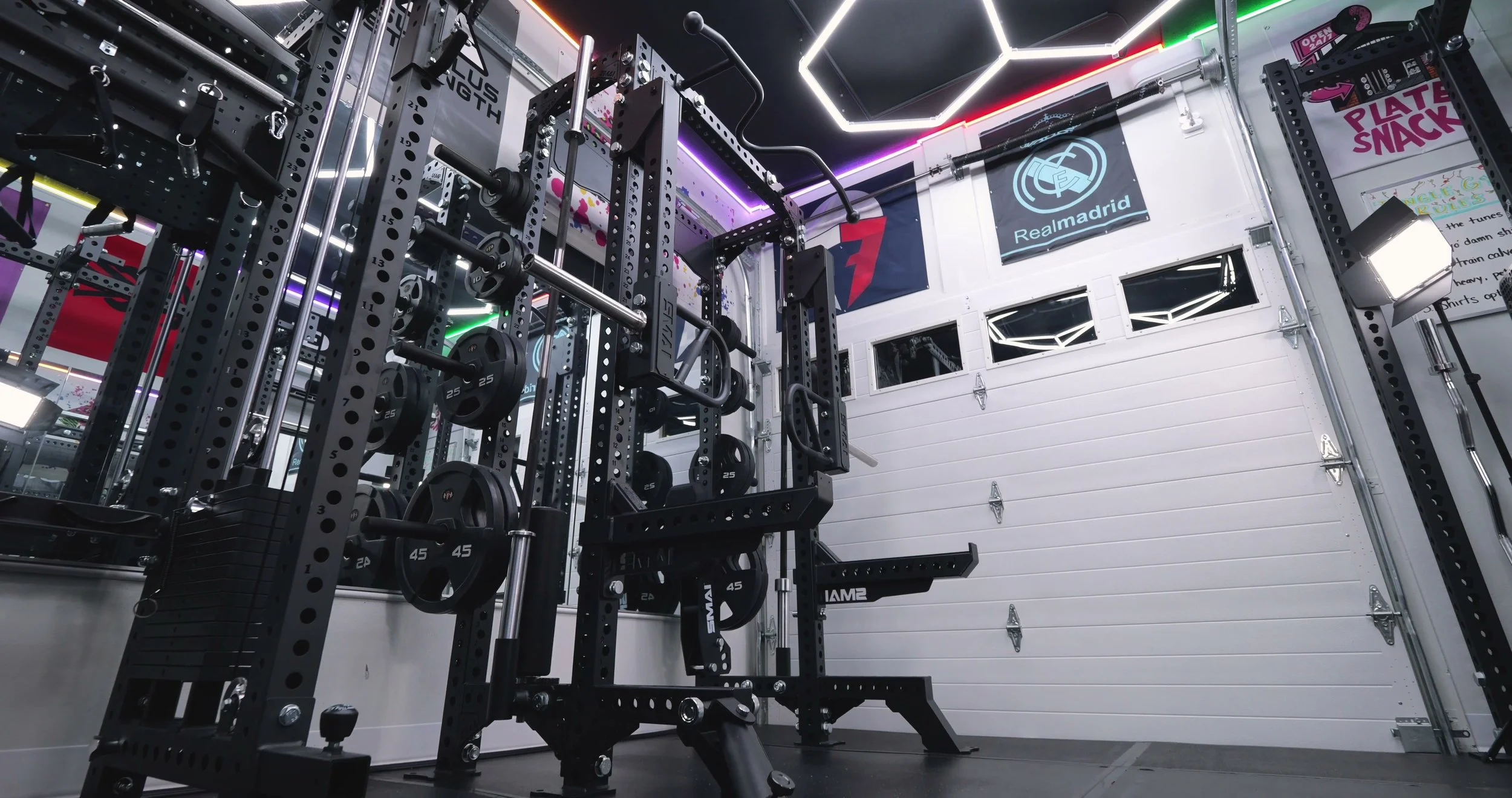
The SMAI Vanta Series Half Rack stands out because it gives you a clean, premium-feeling 3x3 metric rack with a growing attachment ecosystem and strong compatibility with other metric racks like REP Fitness and Titan Fitness. The biggest tradeoff is that the half rack by itself is only part of the story, because a lot of the appeal here comes from the add-ons and future expansion potential rather than the base rack alone. I think this makes the most sense for home gym owners who want a high-quality metric rack platform they can build on over time. If you want the most universal attachment ecosystem possible or you prefer true imperial 3x3 compatibility, I would hesitate before committing to this system.
Quick Specs
Base Price (Minimal Config): ~$1,000
Upright Size: 3x3 metric (75mm x 75mm)
Hole Spacing: 50mm (metric)
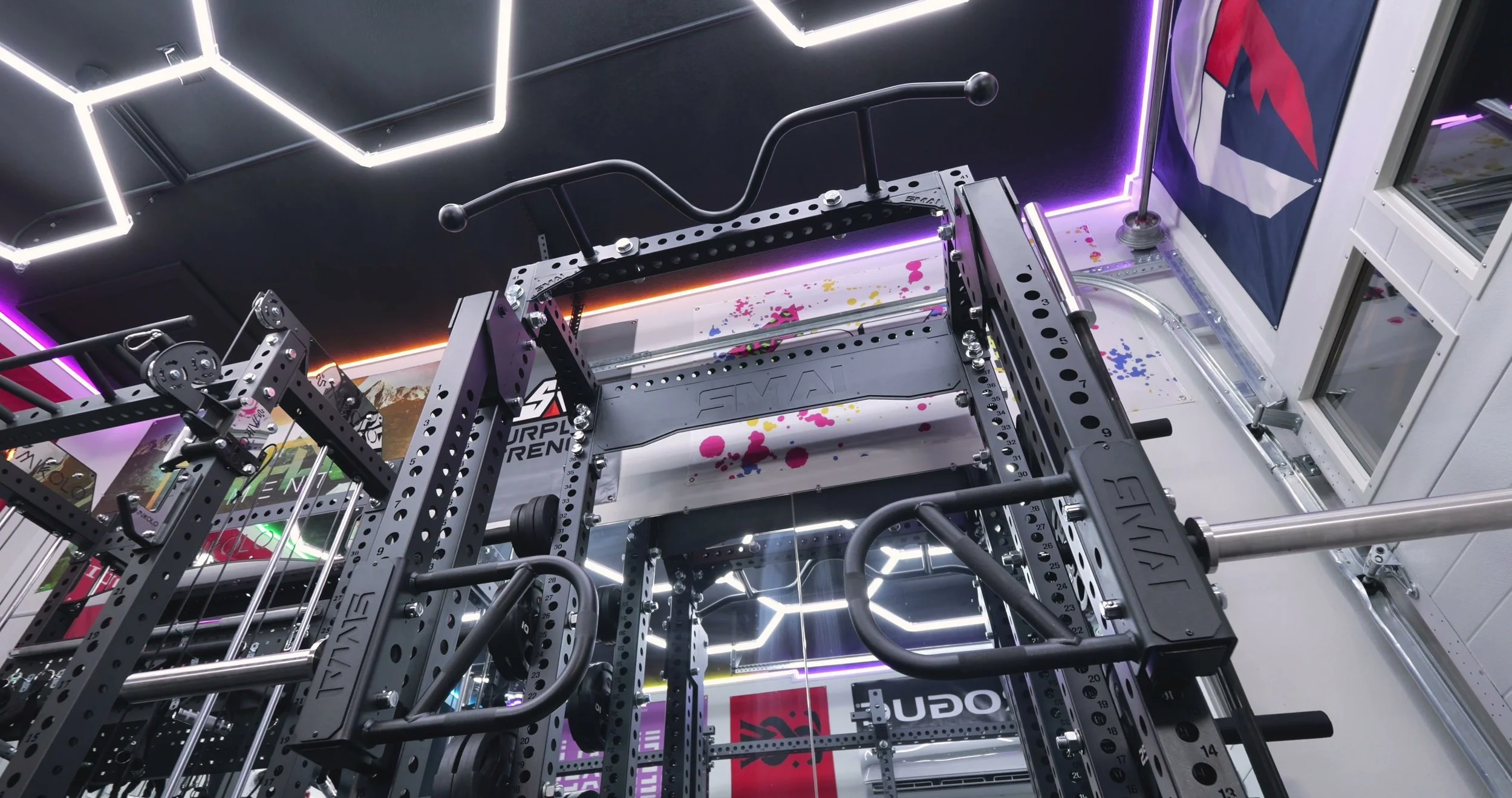
Height: 91.8” (~92”)
Height Option (Short): 80”
Base Depth (No Front Feet): 22”
Depth (With Front Feet): ~44–45”
Interior Depth (Between Uprights): 16”
Exterior Width: 48”
Interior Width: 42”
Hole Numbering: Laser-cut every hole
Paint: Metallic black (sparkle/shimmer)
Where to Buy the SMAI Vanta Series Half Rack
It is worth checking current package options and attachment availability before buying since this rack is clearly built around expandability.
My Real-World Experience
The first thing that jumped out at me with the Vanta Series Half Rack was the finish. The metallic black paint has a subtle sparkle and immediately makes the rack look more premium than a lot of the flat black powder coat racks in this category. Between that paint, the black-on-black hardware, the branding plates, and the overall presentation, this rack feels like SMAI put real effort into making it look polished rather than just functional.
From the base rack standpoint, this is a straightforward metric 3x3 half rack with 75mm x 75mm uprights and 50mm hole spacing. That is not a problem in itself, and in fact it is a plus for people already in the REP Fitness or Titan Fitness metric ecosystem. The 92-inch height feels really good for me at 6’2”, especially for pull-ups, and the 80-inch option is a smart addition for basement gyms. I also like that SMAI laser-cuts every single hole number, because that is one of those small quality-of-life details you appreciate every time you move attachments.
The rack itself is solid, but what really makes this system interesting is the accessory lineup. The package I had included quite a few extras, and those are what make the Vanta rack feel more like a platform than just a stand-alone half rack. The plate storage looks good and protects plates well, although the horns do seem to flex a little more than I would like. The lever arms are nicely done, with rotating sleeves and multiple grip options, and they feel thoughtfully designed rather than thrown in as a checkbox attachment.
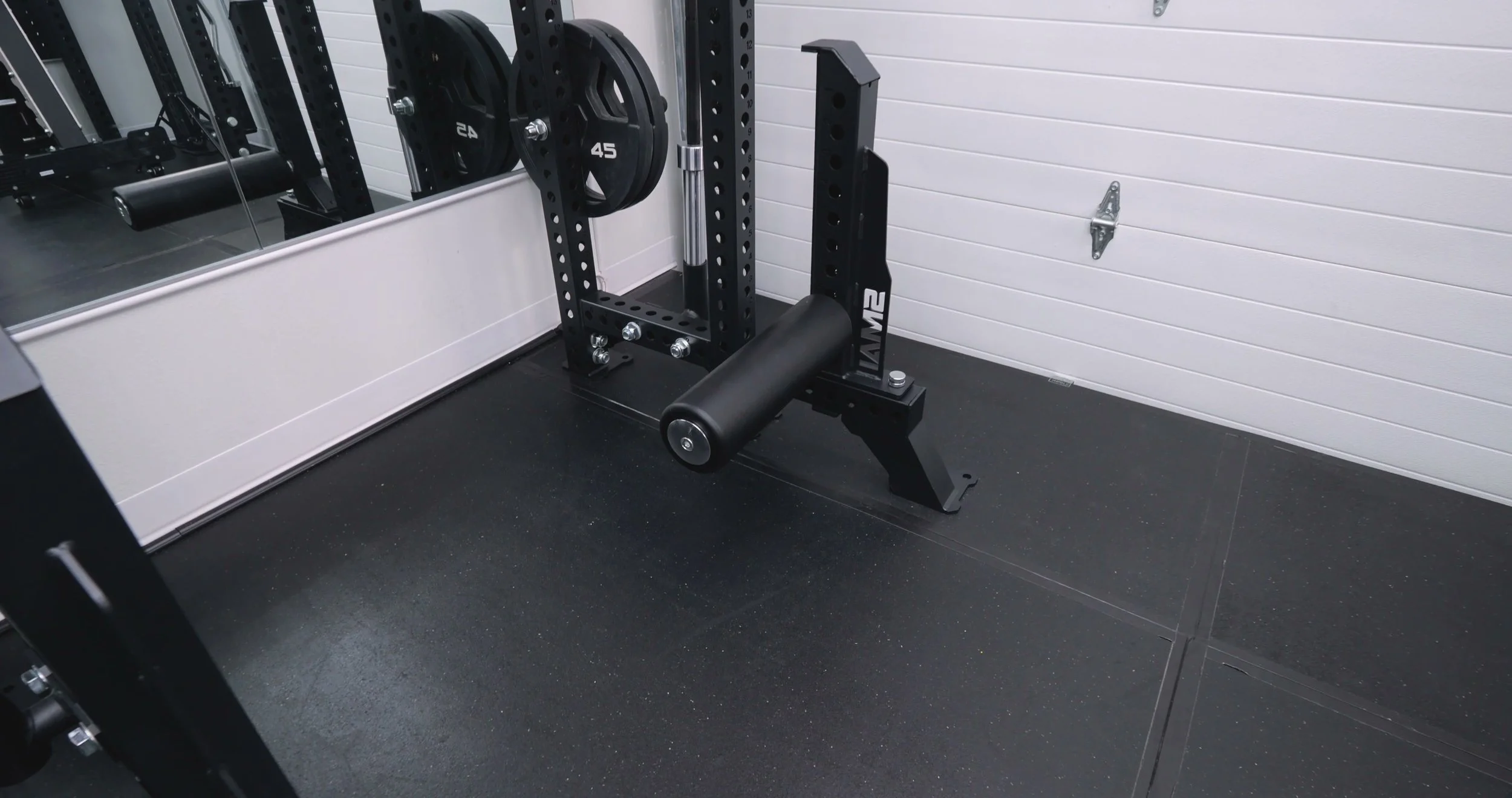
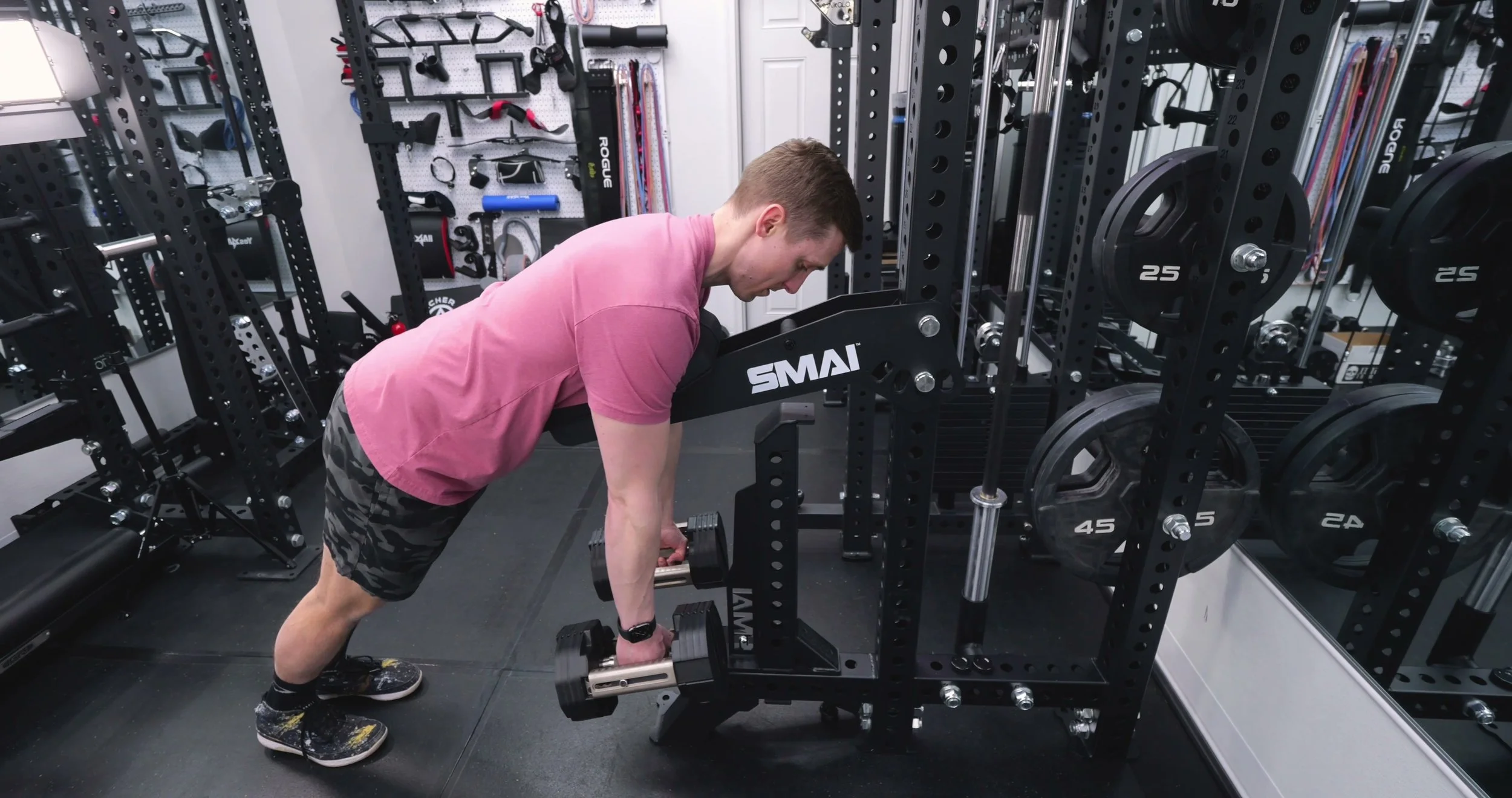
The leg roller was another standout. That sounds ridiculous to say out loud, but it is genuinely smooth and much nicer than most leg rollers I have used. For things like Bulgarian split squats, that actually matters. Same goes for the chest-supported row pad, which is big, beefy, and surprisingly versatile. It worked well for rows, but I also liked it for fly work because the pad shape lets you get a deeper stretch than a normal bench would.
The dip attachment is another nice example of SMAI thinking beyond the standard template. The removable width-adjustable handles make it more versatile than a basic fixed dip bar. And the utility bench platform is a clever add-on too, especially if you want a jumping platform, seal row support, or another surface to combine with jammer arms for creative setups.
So my overall experience is that the rack itself is good, but the ecosystem is what really gives it personality. This is one of those products where the attachments are doing a lot of the heavy lifting in terms of value.
Training Use Cases
The Vanta Series Half Rack makes the most sense for someone who wants a premium-feeling half rack that can handle traditional barbell work while also expanding into machine-style and accessory training over time. In a basic configuration, it covers the usual half rack needs well enough. Once you add spotter arms, storage, lever arms, rollers, dip handles, and utility pieces, it starts becoming a much more complete training station.
I think one of the strongest use cases here is for someone who likes the idea of gradually building out a system instead of buying one huge all-in-one rack up front. If you want to start with a clean, attractive half rack and then add specialty pieces over time, SMAI seems to understand that kind of buyer well.
It also fits nicely for someone already using REP Fitness or Titan Fitness metric gear, because the rack sizing makes that crossover more realistic than if you were trying to work across metric and imperial ecosystems. On the other hand, if your main goal is getting the widest possible cross-brand attachment compatibility from day one, that is not really where this rack has the clearest advantage.
Tradeoffs & Limitations
The main limitation here is not the rack quality. It is the ecosystem commitment. Since this is a metric 3x3 rack, it fits well with other metric systems, but it is still not the same as buying into a fully universal imperial 3x3 standard where the aftermarket is broader. For a lot of people that will not matter. For people who constantly mix brands and attachments, it probably will.
The second tradeoff is that the base rack by itself is not what makes this exciting. The real appeal is the add-ons, the future Smith attachment, and the future cable conversion path. That means your long-term satisfaction probably depends on how much of the ecosystem you actually plan to use. If you are only ever going to use it as a simple half rack, there are other strong options in this space.
Some of the included pieces also have small compromises. The plate horns look good and function fine, but I did notice some flex. The chest-supported row pad is useful, but heavy enough that it takes some effort to move around. None of that is a dealbreaker, but they are the kind of details that matter when you are paying attention to daily use.
There is also the simple reality that some of the most exciting parts of the system were not what I was actively using here yet. The Smith machine attachment and the cable conversion potential are a big part of why this rack is interesting, but they also represent future value rather than current value if you are only buying the half rack now.
Value & Alternatives
The Vanta Series Half Rack feels like it is aimed directly at people who want something in the same conversation as REP Fitness and Titan Fitness without just buying the same thing everyone else already has. The strongest value here is the combination of premium presentation, metric compatibility, and a growing accessory ecosystem.
If you compare the base rack alone, I do not think it completely reinvents anything. It is a solid metric half rack with good finish and smart details. Where it starts becoming more compelling is when you compare the whole system conceptually against other brands that want you to build around one rack family over time.
That means I see the value less in the cheapest possible entry point and more in the long-term platform. If you like the rack, like the finish, and like where SMAI seems to be heading with attachments, then the value makes more sense. If you are only shopping for the most generic half rack for barbell work, I think this has more personality than that, but also needs more buy-in than that.
Who Should Buy This
If you want a premium-looking metric 3x3 half rack with a real accessory roadmap, I think this is worth a serious look. It also makes sense if you already own REP Fitness or Titan Fitness metric gear and want something that plays reasonably well in that world.
I would also look at this if you enjoy specialty attachments and want a rack that feels like it has room to evolve. The Vanta system seems built for the kind of home gym owner who starts with a base rack and slowly adds capability over time.
Who Should Skip It
If you want the broadest universal compatibility possible, I would skip this and go straight to a more standardized imperial 3x3 ecosystem. I would also skip it if you are not interested in attachments and future expansion, because the base rack alone is not the whole story here.
And if your priority is simply the cheapest effective half rack with no interest in premium touches or ecosystem growth, there are more basic ways to solve that problem.
Final Verdict
The SMAI Vanta Series Half Rack is a well-finished, thoughtfully designed metric 3x3 rack that feels most appealing as a long-term platform rather than just a one-time rack purchase. I like the 92-inch height, the full hole numbering, the premium-looking finish, and several of the accessory designs more than I expected to. More importantly, I like that SMAI seems to understand that home gym buyers want both a rack and a system they can keep building.
The biggest question is not whether the rack is good. It is whether you want to buy into this ecosystem specifically. If the answer is yes, I think this is a very promising platform. If the answer is no, then the base rack alone probably is not enough to make it the automatic pick over other established options.
Affiliate Disclosure
I may earn a commission if you buy through links on this page. That helps support The Jungle Gym Reviews at no extra cost to you.