This product was reviewed in house by Michael at The Jungle Gym Reviews.
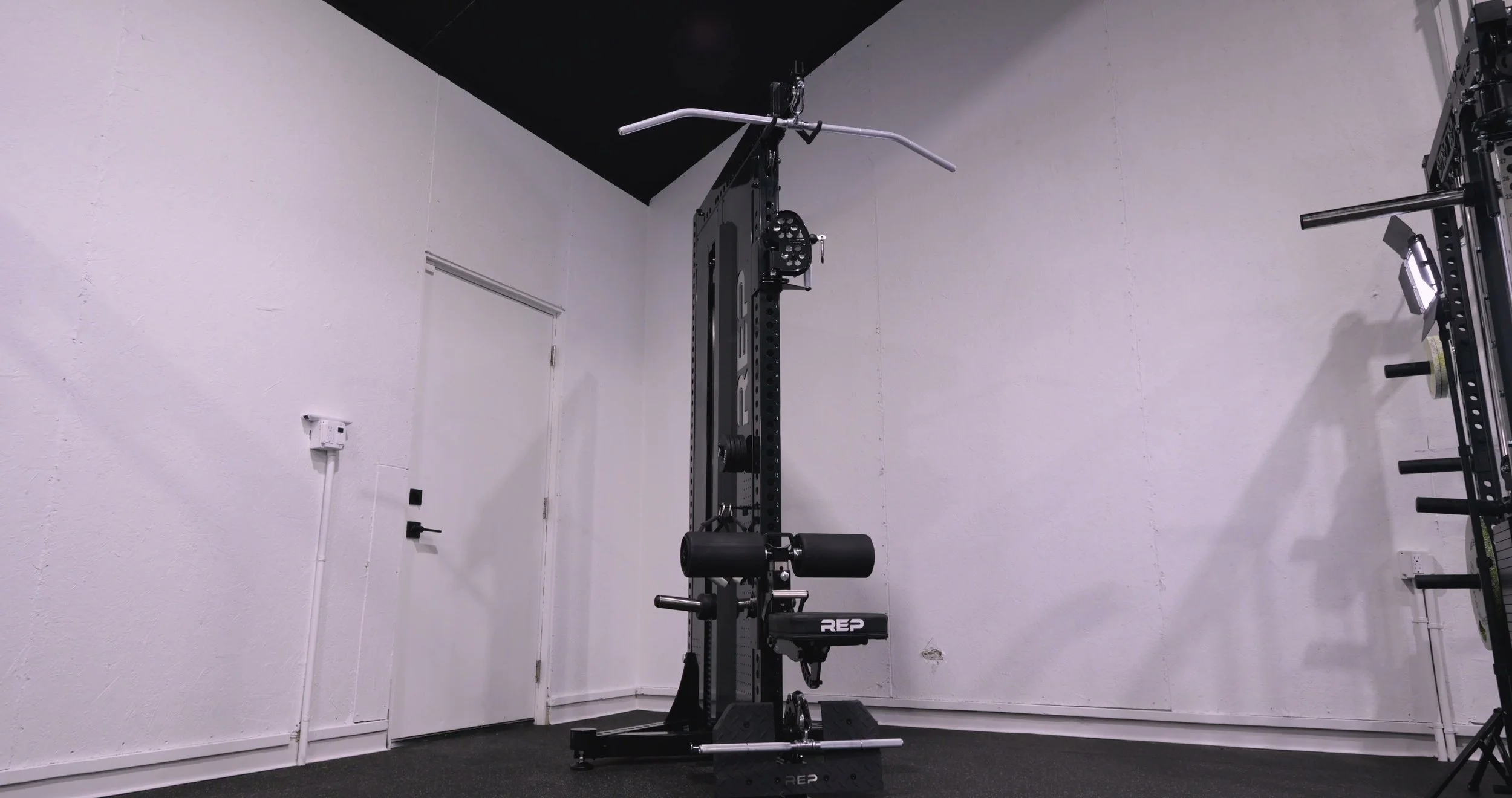
The REP Adonis is a polished, purpose-built single-column cable tower that gives you a true 1:1 lat pulldown and low row plus a 2:1 functional trainer in roughly a 4' x 4' footprint. It’s one of the smoothest standalone lat towers I’ve used and very configurable, but it isn’t cheap, the lat seat is sold separately, and the bottom-pulley routing prevents true vertical pulls for things like belt squats.
Quick Takeaway
If you want a dedicated lat-pulldown and low-row tower with the feel of a standalone machine, the Adonis delivers. The cabling and oversized pulleys make most movements buttery smooth (I rate it a 9/10 for smoothness), and the dual-ratio design solves the common tradeoff between heavy 1:1 pulls and the finer increments and travel of a 2:1 functional trainer. You pay for that refinement: expect to spend in the $1,999–$2,525 neighborhood depending on configuration, and add another few hundred if you bring the Rep Pegasus lat seat into the equation.
Quick Specs
Footprint: Fits in roughly a 4' x 4' corner space
Height: 92 inches tall (cable exit around 88 inches)
Weight Stack: 210 lbs (selectorized) with loadable horns
Max Capacity: 450 lbs (stack + plates)
Cable Ratios: 1:1 (Lat Pulldown / Low Row) and 2:1 (Functional Trainer)
Base Price: Plate-loaded $1,999; plate-loaded with base $2,225; selectorized option about $2,525 (adding the Pegasus seat pushes total toward ~$2,900)
Where to Buy
You can buy the REP Fitness Adonis Cable Tower directly from REP below:
My Real-World Experience
I spent multiple sessions on the Adonis testing a handful of staple cable movements and poking at the setup and adjustment points. I value cable machines by three things: the pulling geometry, the smoothness of the cabling/pulleys, and how easy the adjustments are mid-workout. On all three, the Adonis impressed.
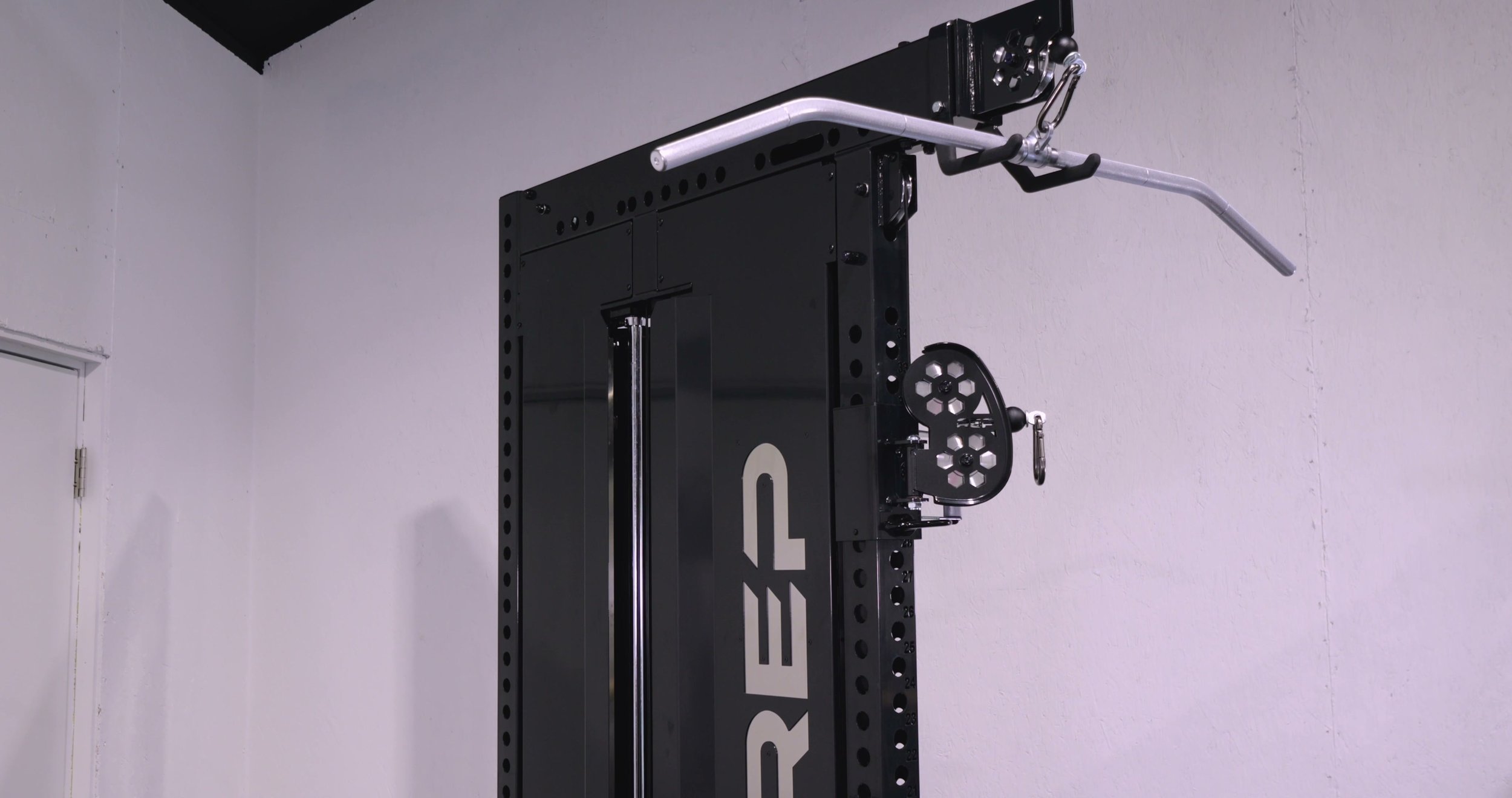
First impressions are visual: the oversized polished aluminum pulleys catch the light and the shrouds with pegboard cutouts keep attachments tidy. While setting the unit up I actually inspected some of the internals and could see REP paid attention to routing and pulley size, which is not just aesthetics, smaller the friction, smoother the feel. That translates to a consistent, low-friction pull across lat pulldowns, low rows, tricep pushdowns and cable curls.
I tested: wide-grip lat pulldowns, close-grip pulldowns, seated low rows, triceps pushdowns (rope and short bar), single-arm cable curls, and a chest-supported row attempt from the functional-trainer position. For lat pulldowns and low rows the 1:1 pull gives you the real, felt weight you select on the pin; it doesn’t feel halved or artificially light the way a 2:1 system can. That matters if you want true heavy pulling without doubling your stack size.
That said, I also spent time using the front functional-trainer trolley for accessory work at the 2:1 ratio. It’s handy for triceps pushdowns and single-arm work because the 2:1 halves the felt weight (so the 210 lb stack gives you effectively up to 105 lbs at the front) and offers finer progression, the included micro plates help here, plus a lot more cable travel.
Dual-Ratio System & Weight Stack
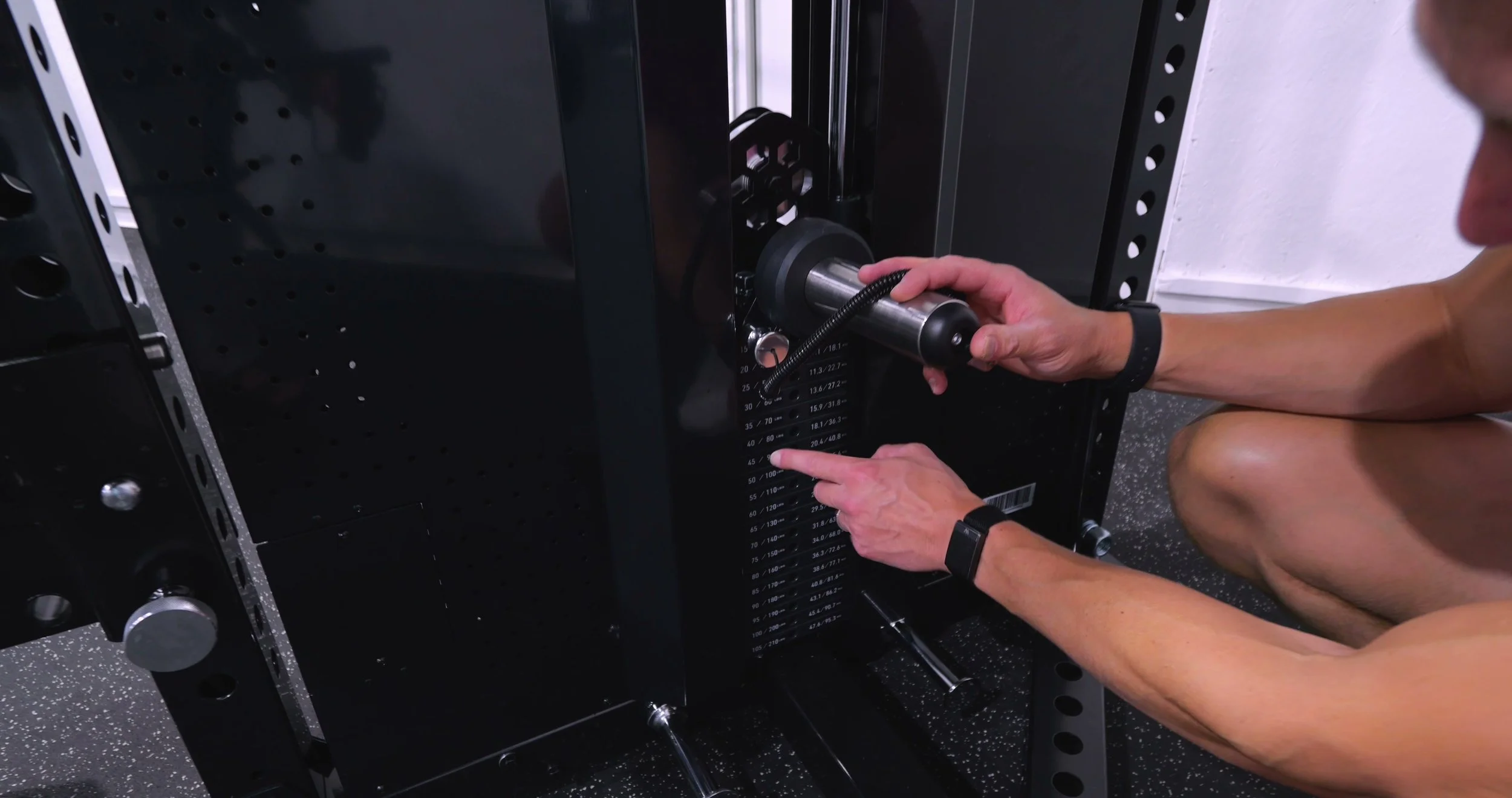
The Adonis packs two distinct pulley ratios in the same column, and REP even includes a placard on the stack that prints the felt weight in pounds and kilograms for both the 1:1 and 2:1 positions. That small detail eliminates the annoying mental math you see on some hybrids.
Selectorized units come with a 210-pound stack. REP sizes the front functional-trainer config as a 2:1, which means the stack’s top pin reads as 10 lbs on the front (10 through 105 lbs effectively with the 210 stack). The 1:1 positions, lat pulldown and low row, start heavier (reported as 20 lbs on the low end) and give you the full 210 lb stack range, and then there are loadable horns on the carriage should you want to add standard plates. I measured the sleeve length at roughly six to six-and-a-half inches; the company advertises a max around 450 lbs total when you combine the stack and plates.
The inclusion of 2.5 lb and 1.25 lb micro plates is genuinely useful in practice. When you’re doing accessory work on the 2:1 side those little jumps help tune the load; even on the 1:1 side they let you make smaller incremental progressions than the typical 10-lb pin jumps.
Lat Pulldown & Low Row Performance
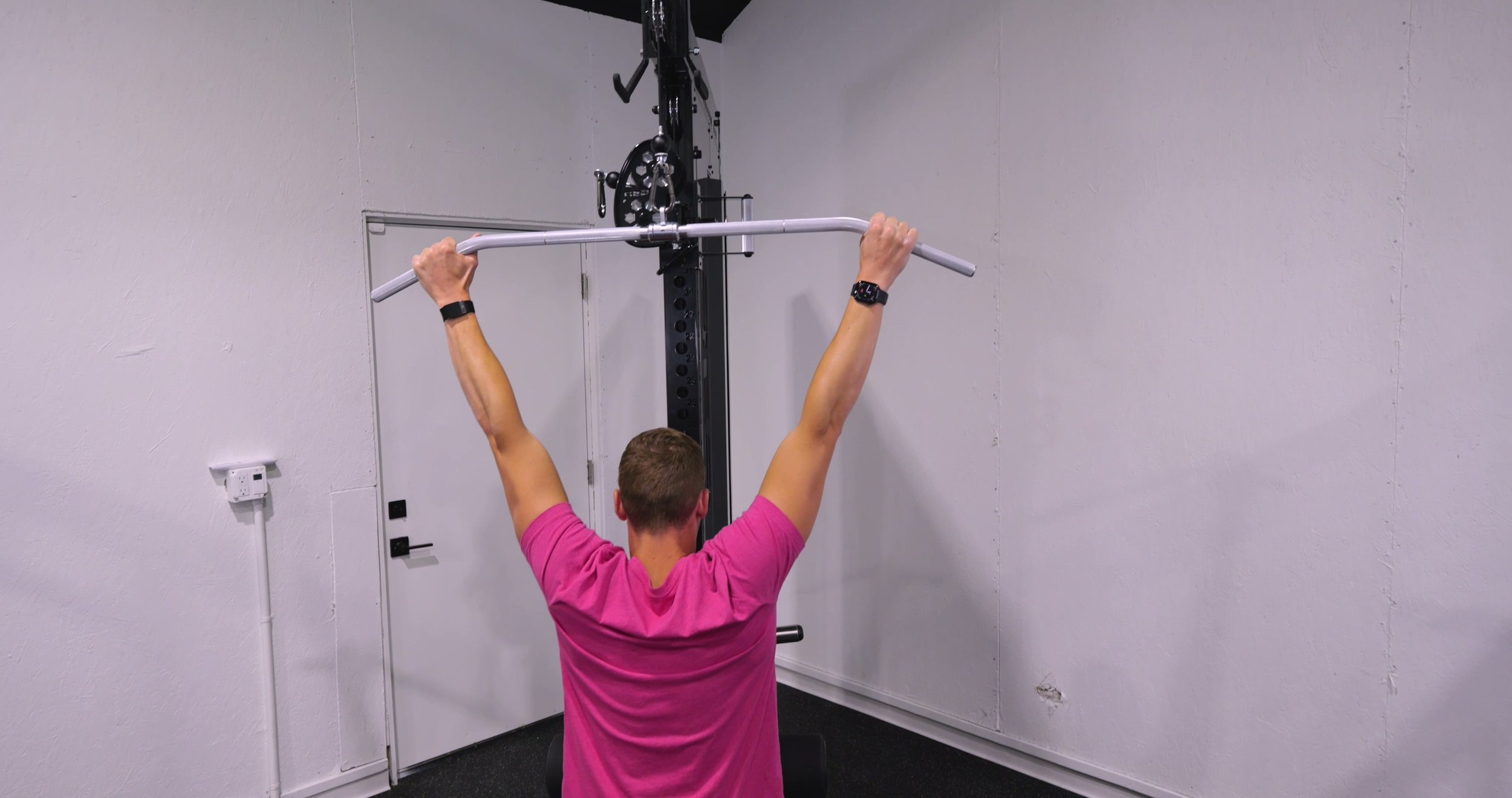
As a dedicated lat tower the Adonis solves the common shortcomings of rack-attached cables. The top pulley exit sits roughly 88 inches high with the tower measuring about 92 inches tall overall. More importantly, the pull point is set out from the upright, roughly 14 inches of front-to-back clearance, so when you put on a lat seat you can sit directly under the bar and pull vertically rather than leaning forward to catch the pull. In practice that makes for a cleaner lat pulldown that actually feels like a lat pulldown, not an approximation.
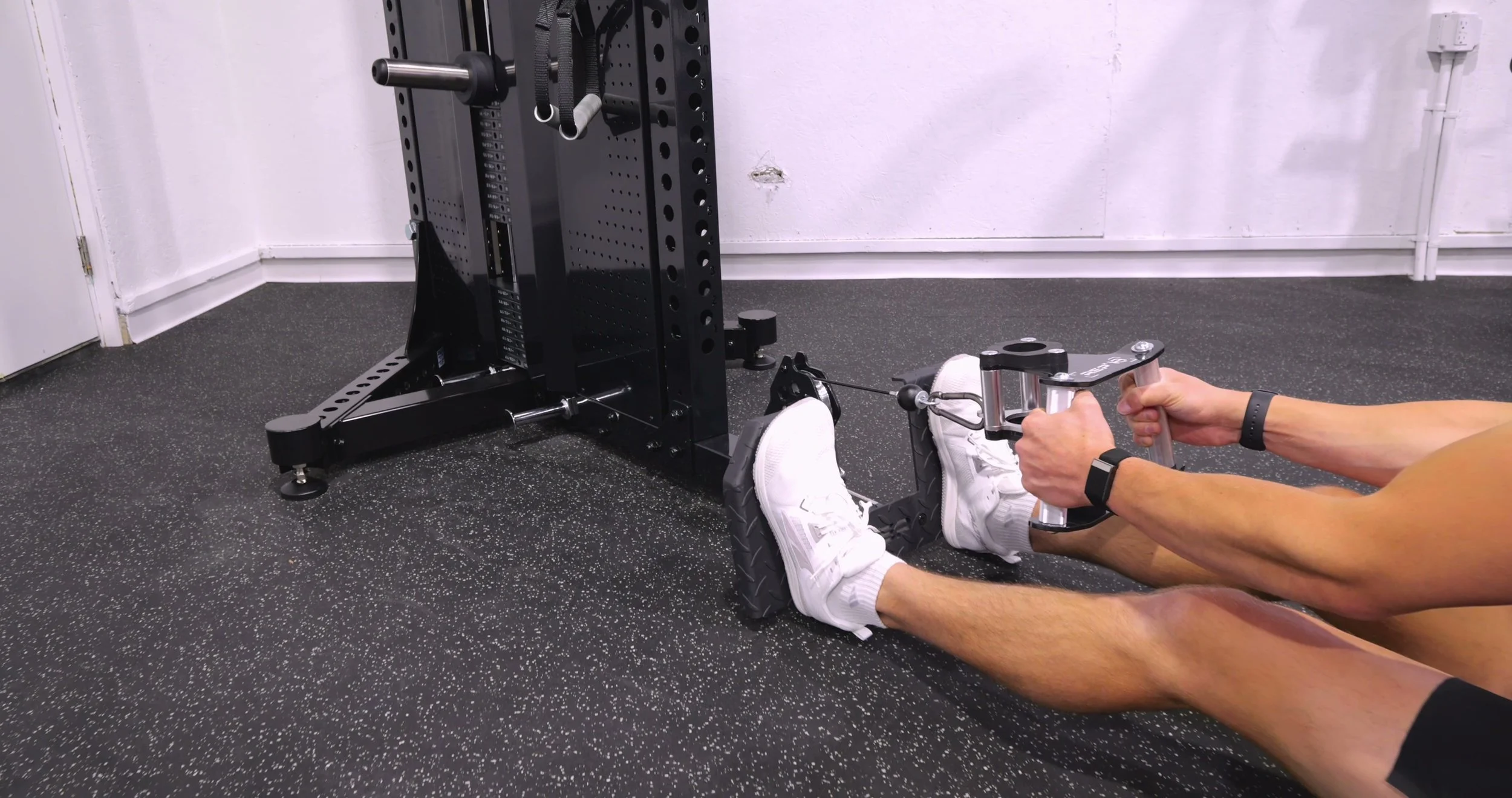
The low row footplate is wide and adjusts front-to-back so taller and shorter users can dial in their position. The adjustment operates with a pop-pin and there’s some slight play before the plate gets tensioned; you notice that when you’re setting up, but not usually during the rep itself once the weight is loaded and under tension. I flagged that as a small ergonomics nit, I’d prefer a secondary threaded knob or some form of fine tensioning to remove the tiny wiggle when you're settling into the start position.
Range of motion for both pulldowns and rows is generous for most users. I’m 6'2" and I can get a full overhead pull on the lat bar and a full stretch on rows without the cable contacting the shroud. Some extremely ROM-heavy lifters might want an extra inch of clearance, but for the vast majority this is a true vertical pulling geometry.
Functional Trainer Trolley
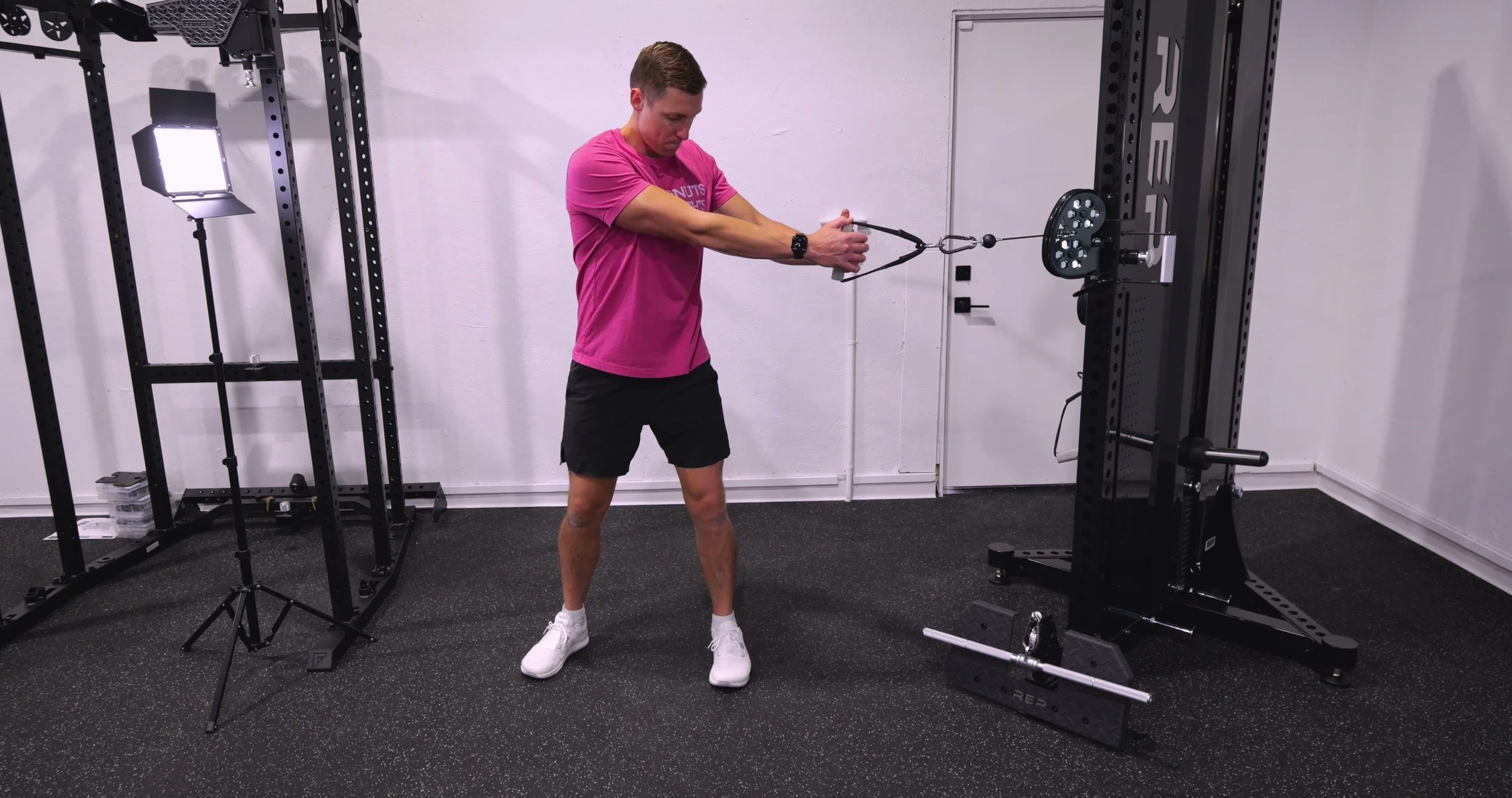
The front trolley slides up and down and uses a detent (pop) pin for locking. It’s easy to move one-handed mid-set, and the trolley swivels about 180 degrees so you can use it on-axis or off to the side. REP includes a plastic internal liner where the trolley rides, which reduces wear and keeps movement smooth even though the trolley doesn’t use roller bearings like some high-end racks.
Top height for the functional-trainer trolley lands in the high-70-inch range (REP lists roughly 78 inches), tall enough for tricep pushdowns, overhead single-arm work, and other common cable accessories for someone my height. I used a rope for triceps and a short straight bar for pressdowns and could get a full range of motion.
The functional-trainer side provides more cable travel, REP quotes roughly 108 inches of travel, which means you aren’t likely to run out of stroke for single-arm chops, woodchoppers, or long-handle movements. The 2:1 ratio here gives you smaller weight jumps and a lighter starting weight, which is useful for higher-rep accessory work.
There is one design limitation worth calling out: a cable-stopper bracket near the bottom of the column prevents you from pulling the functional-trainer cable completely vertically from the lowest exit. If you try to pull the cable straight up from the bottom to run a belt-squat or a certain chest-supported vertical row, the cable will rub against that stopper. You can still do belt-squat style work by pulling at an angle from the front, but if your setup depends on a perfectly vertical bottom pulley pull that’s an important constraint.
Comparisons / Alternatives
If you’re weighing the Adonis against alternatives, think about footprint, feel, and whether you already have a rack. Slotting a cable system into an existing rack saves floor space, but rack-mounted setups often use more complex routing and smaller pulleys that increase friction or give you a 2:1 pull when you may want 1:1 for heavy lat work. Compared to standalone units I’ve used, most notably the Spring Sports/Stray Dog Strength equivalent single-stack towers, I still prefer the Adonis for its fit and finish and the smoothness of the pulley routing at this price point.
On the tech side, digital resistance systems are closing the gap in functionality. The Beyond Power Vultra, for example, is a portable digital-resistance unit that recently pushed into roughly 230 lbs of peak resistance and costs in the low $2k range. It’s more portable and can be shoehorned into an existing rack for a similar range of movements, but it doesn’t deliver the same dedicated lat-pulldown geometry or integrated low-row footplate without add-on fixtures. If space and portability matter more than a full-featured tower, digital options are a valid alternative; if you want the full pull geometry in a standalone package, the Adonis is the closer fit.
Tradeoffs
No machine is without tradeoffs. The Adonis trades compactness and cost for refinement. You pay a premium for the dedicated column and the smoother pulleys versus a rack-based cable attachment. The selectorized version’s 210-lb stack is plenty for most users, but if you’re a heavy lifter who wants raw pin-based loading only you’ll need to add plates to the horns and keep an eye on the advertised ~450 lb max.
Ergonomically, the footplate’s single pop-pin adjustment leaves a little play before tensioning; not a deal-breaker during reps, but noticeable when getting set up. The functional-trainer trolley doesn’t have roller bearings, it runs smoothly thanks to the liners but you’ll see some manufacturers add rollers at higher cost. And, crucially, the cable-stopper near the bottom means you can’t pull completely vertical from the lowest exit, which removes some belt-squat or vertical chest-supported row options unless you accept an angled pull.
Who Should Buy This
Buy the Adonis if you want a standalone lat-pulldown and low-row station that also doubles as a versatile functional trainer, and you care about cable smoothness and refined fit-and-finish. It’s particularly good if you have a corner of the gym to dedicate to a single column and you want honest 1:1 lat pulls plus the 2:1 accessory option without having to resort to awkward rack hacks.
Who Should Skip It
Skip it if you’re on a tight budget and need the absolute lowest cost per square foot, or if your training specifically requires a vertical bottom-pulley pull (for belt squats or certain heavy vertical rows) at the bottom exit. If you already have a high-quality rack-based cable system that gives you what you need, the Adonis may be redundant.
Common Questions
Can I upgrade the weight stack later?
Yes. If you buy the plate-loaded version initially you can add the selectorized 210-pound weight stack later; REP’s configuration allows for upgrades rather than forcing you to pick the selectorized option up front.
Does it come with attachments?
Yes. The Adonis ships with a lat pulldown bar, a short straight bar, two D-handles, and micro-loading plates (2.5 lb and 1.25 lb). The shroud includes pegboard storage and band pegs at the bottom for banded work.
Can I connect the Adonis to my power rack?
Yes. The Adonis uses 3x3 uprights with 1-inch holes (metric spacing). It’s designed to tie into REP PR-series racks (PR-4000, PR-5000) or similar metric racks provided hole alignment and cross-member spacing match.
Final Verdict
The REP Adonis is a thoughtfully engineered standalone cable tower that does what it sets out to do exceptionally well: deliver a true 1:1 lat pulldown and low row combined with a usable 2:1 functional trainer in a compact footprint with great smoothness. If that combination matches your priorities and you’re comfortable with the price and the minor positional constraints (seat sold separately, bottom-pulley vertical limitation), it’s hard to beat for a dedicated lat tower. If you want to pick one up, check it here: REP Fitness Adonis Cable Tower.
Affiliate disclosure: We may earn a commission from links in this article. All opinions are my own and based on hands-on testing.