Fringe Sport Dane 2.0 Review: My Favorite Budget All-in-One Rack
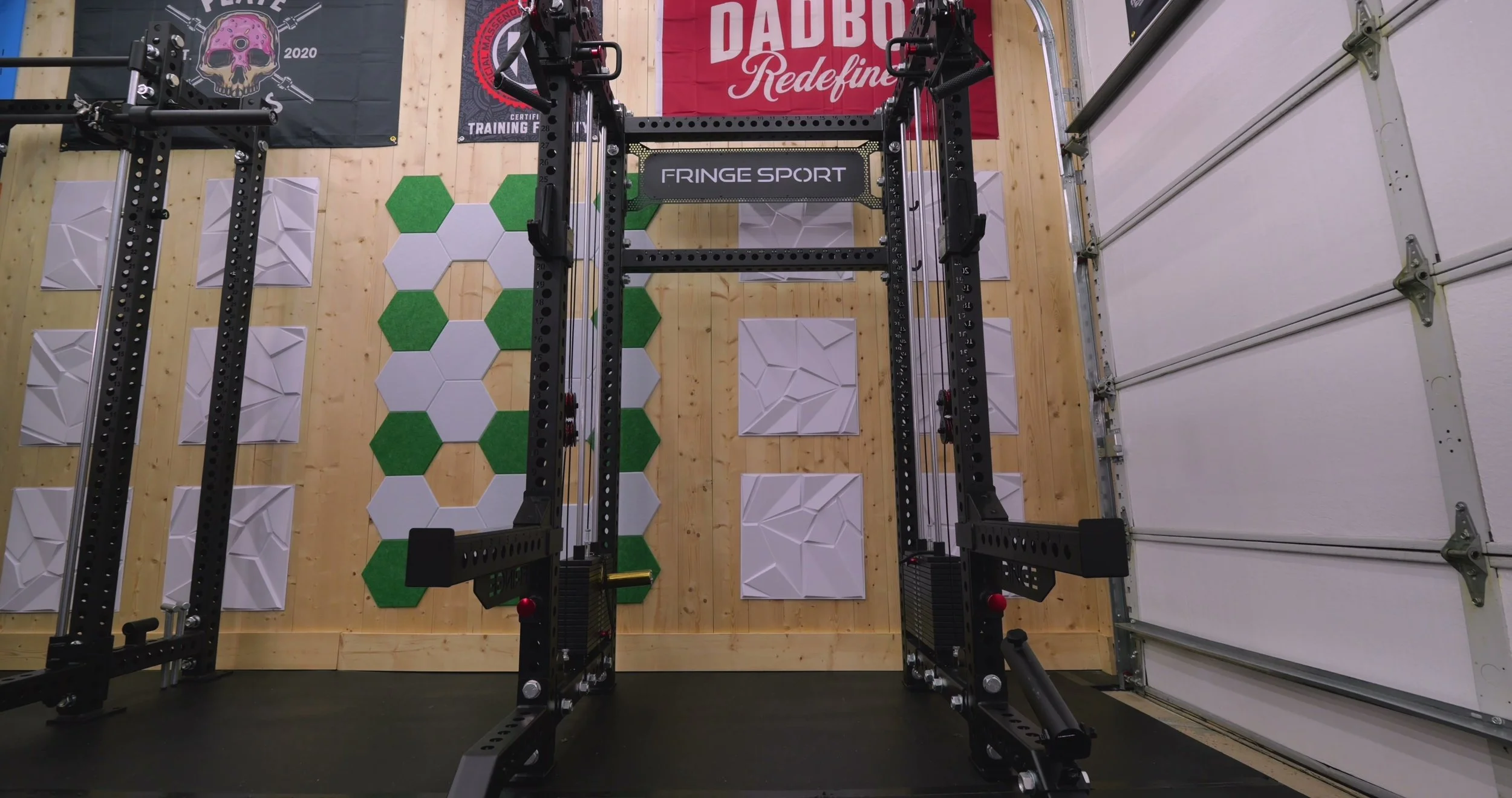
This product was tested in house by Michael at The Jungle Gym Reviews.
The Fringe Sport Dane 2.0 is what I consider to be my favorite budget pick for an all-in-one functional trainer power rack. For around $2,800, sometimes less on sale, it holds up really well against the bigger players in this space. The two things that set it apart are the 1:1 cable ratio, which means you feel exactly the weight listed on the stack, and the growing ecosystem of attachments that Fringe Sport keeps building around it. This is the kind of rack I would recommend to someone starting a home gym who wants one centerpiece that does everything without needing to upgrade later.
Quick Takeaway
The Dane 2.0 gives you a full power rack and dual-stack functional trainer in one footprint for under $3,000. The 1:1 cable ratio is the standout feature — you actually get the weight listed on the stack, which makes it more capable for heavy movements like lat pulldowns and belt squats than most competitors at this price. The trolley rollers feel a bit cheap, but the cables themselves are smooth and the overall build is solid 11-gauge 3x3 steel. If you want one rack that does everything and never needs upgrading, this is one of the better options at this price point.
Quick Specs
Price: ~$2,800
Uprights: 3x3, 11-gauge steel (metric)
Interior Width: 41 inches
Overall Width: 47 inches
Depth: 60 inches (front feet to back of uprights)
Height: 92 inches (to top of pulleys)
Weight Stacks: Dual 160 lbs (each side)
Cable Ratio: 1:1
Weight Increments: 10 lbs
Compatibility: Metric 3x3 (same as REP Fitness hole size/spacing)
Included: Front feet, spotter arms, J-cups, back cross-member nameplate, handles
Where to Buy
You can check the current price directly through Fringe Sport below.
My Real-World Experience
I have had the Dane 2.0 set up in my gym for a while now, and the short version is that it does exactly what an all-in-one rack should do. It handles heavy barbell work inside the rack, gives me smooth cable movements on both sides, and takes up one footprint instead of three separate machines. The 1:1 cable ratio is the thing that keeps me coming back to it over other racks in this category. When I set the pin to 160 lbs for lat pulldowns, I am actually pulling 160 lbs. That sounds obvious, but most functional trainers with a 2:1 ratio would give you only 100 lbs from a 200 lb stack. The Dane actually delivers the weight it says.
The 1:1 Cable Ratio
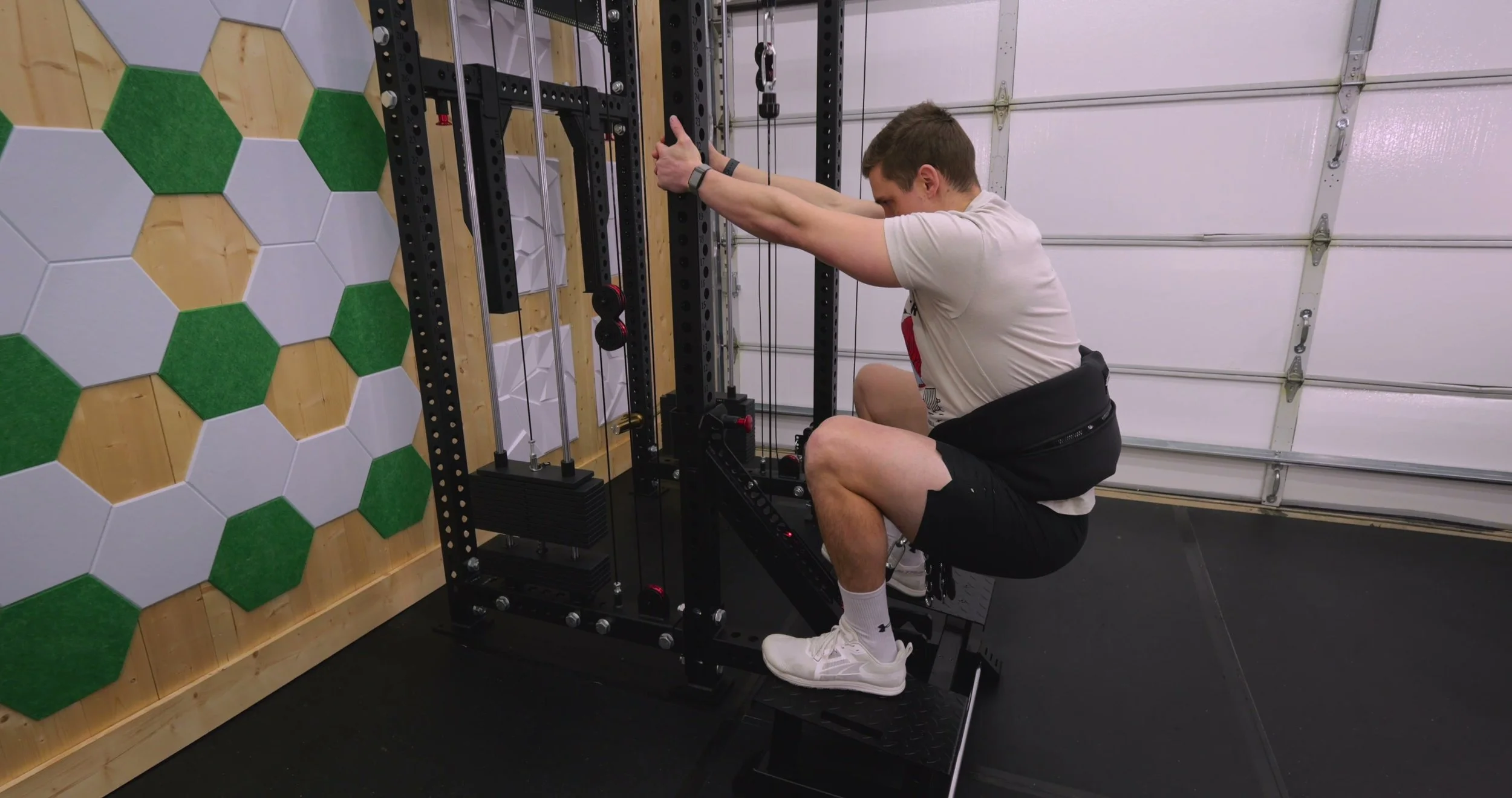
This is the single biggest reason I recommend the Dane 2.0 over other racks in this price range. A 1:1 cable ratio means that when you select 160 lbs on the stack, you are pulling 160 lbs at the handle. Most functional trainers use a 2:1 ratio with a 200 lb stack, which means you are actually only getting 100 lbs of resistance. The Dane gives you the real number.
The practical benefit is huge for heavy single-sided movements. Lat pulldowns at 160 lbs. Low rows at full stack. Belt squats with the addition of weight-loading horns that can push you past 300 lbs. These are the movements that most budget functional trainers just cannot handle because of their cable ratio, and the Dane does them without issue.
The tradeoff of a 1:1 ratio is that you only get 10 lb increments instead of the 5 lb increments you would get on a 2:1 machine. For most people this is fine, but if you are doing lighter isolation work and want to go from 15 to 20 lbs, you cannot do that here without a magnetic add-on plate.
One other thing I appreciate: Fringe Sport lets you pin the top plate. Most companies have a top plate but you cannot actually put the selector pin in it, so it just sits there loose. Here, when I start at the lowest weight (10 lbs), the stack is locked in and does not flop around. Small detail, but it matters.
Cable Travel and Smoothness
One concern people have with 1:1 ratio machines is cable travel — will you run out of rope? The Dane 2.0 gives you roughly 7 feet of cable travel. Fringe Sport redesigned the weight plates to be shorter on the 2.0 version specifically to increase travel distance. I have not found a single movement where I ran out of cable. Unless you are standing 7 feet away from the rack for some reason, you will not have an issue here.
The cables themselves are smooth. On par with the REP Aries and the GetRXd Tornado, which are the two other racks I compare everything to in this category. No complaints about cable feel during actual movements.
Build Quality and Frame
The frame is standard 3x3, 11-gauge steel with textured black powder coat. This is industry standard for racks in this price range and above. The Dane uses metric 3x3 sizing, which means it shares the same hole size and spacing as REP Fitness racks. That matters because 3x3 is universally compatible — you can use J-cups, spotter arms, and attachments from other brands if you want to mix and match.
The overall footprint is 47 inches wide by 60 inches deep. It is a half-rack configuration with front feet extending forward for stability. Everything you see included — front feet, spotter arms, J-cups, back cross-member nameplate for storage — comes with the $2,800 price. You are not paying extra for basics.
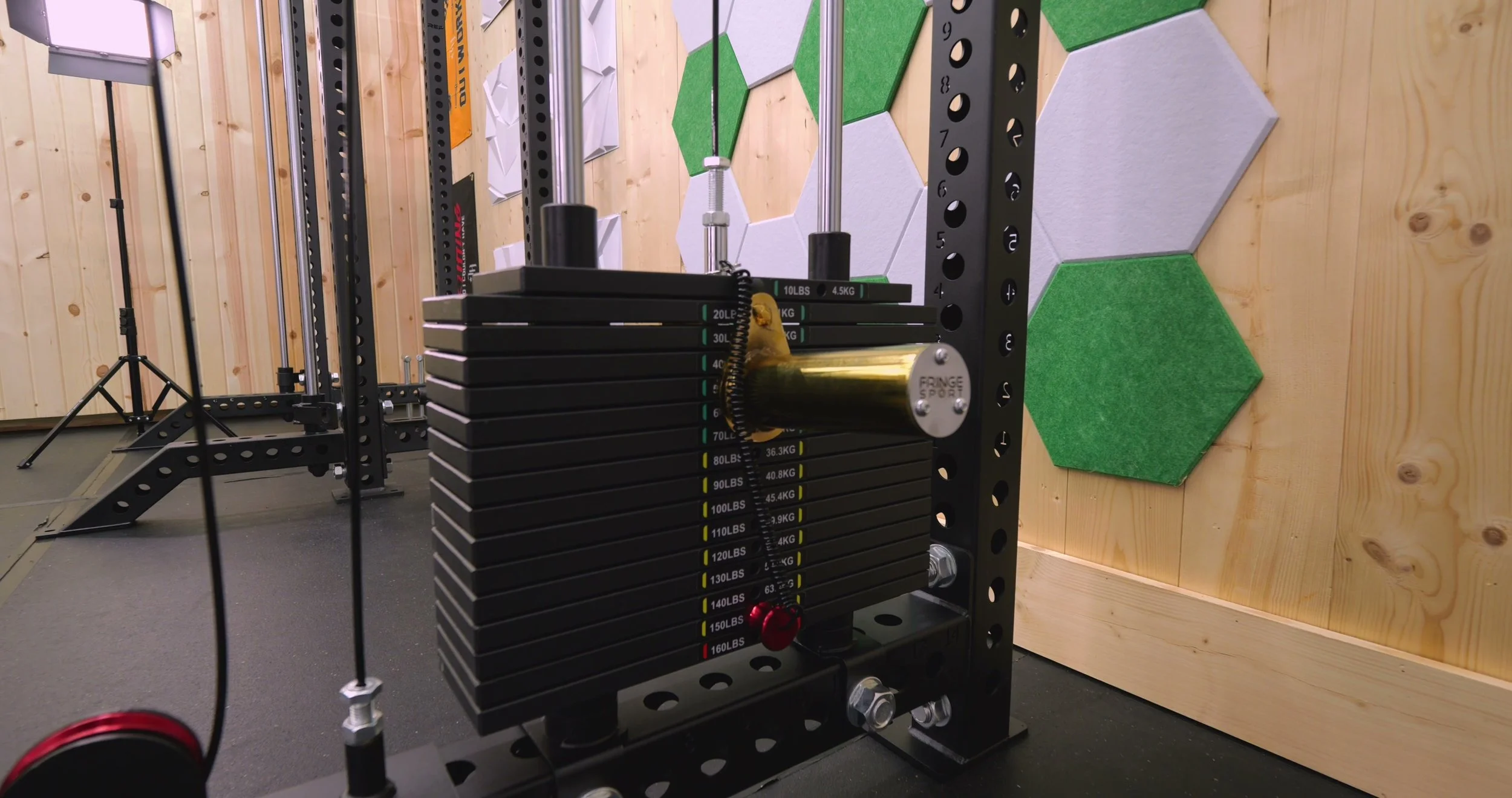
Fringe Sport adds some nice aesthetic touches. Anodized red aluminum pulleys, red pop pins, gold-plated accents on the El Toro weight horns. They clearly try to make their budget-friendly products look a step above, and I appreciate that.
The Trolley System
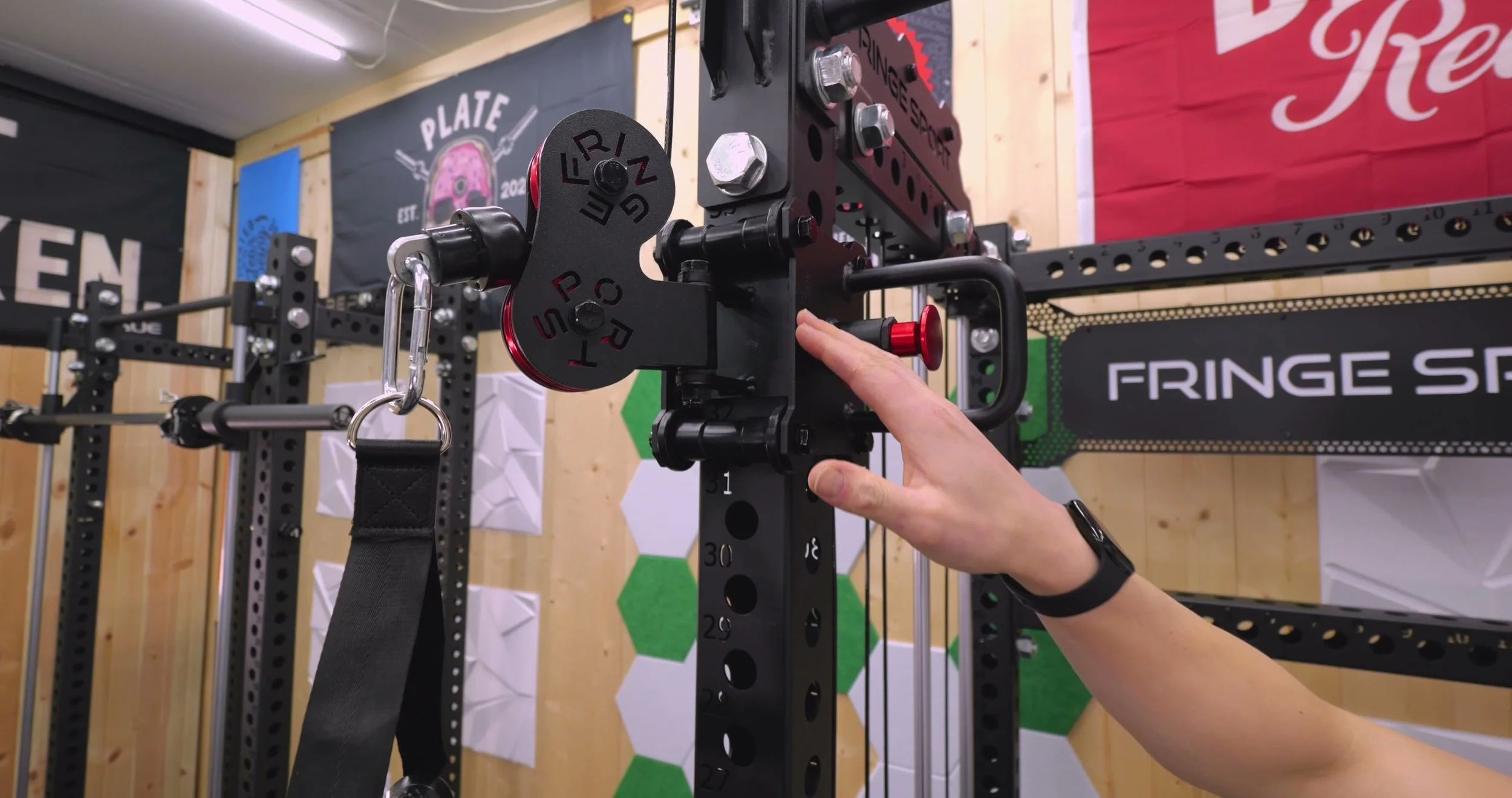
This is where I have my biggest criticism of the Dane 2.0. The functional trainer trolleys themselves rotate 180 degrees, which is a nice feature for switching between inside and outside cable movements. They are lightweight (maybe 10 lbs) and easy to move up and down the uprights. The pop pin goes into the holes easily.
But the rollers feel uneven and cheap. There is a noticeable vibration when you move the trolley along the uprights. You can see mold lines on the rollers, and they just do not feel like a quality component. It feels like going down a bumpy road. This is not the rack itself — the uprights are smooth powder-coated steel. It is specifically the roller material and manufacturing.
Here is the important part: this does not impact the actual cable performance. When you are doing a set of cable flyes or tricep pushdowns, the cables are smooth and the movement feels good. The trolley jankiness is only noticeable when you are repositioning the trolley height between exercises. It is an aesthetic and feel issue, not a functional one. But at $2,800, I would like to see better rollers.
Cable Twisting
One other issue I want to mention because I have seen it in forums, had people message me on Instagram about it, and experienced it myself: the cables can twist over time. When the cable is under tension, it does not affect anything. But when it is loose, you can see the twist.
This may be due to the cable routing or small imperfections during installation. I laid my cables out straight before installing (as I always do with cable systems), but it still happened. You might need to unhook your cables once or twice as they break in and re-lay them straight. It is not a dealbreaker, and it does not impact performance when the cable is loaded, but it is worth knowing about.
The Ecosystem
One of the reasons I rank Fringe Sport highly is that they keep building around their products. The Dane 2.0 ecosystem currently includes or will soon include:
El Toro Weight-Loading Horns: Magnetic horns that let you add plates to the weight stack. Because of the 1:1 ratio, every pound you add is a pound you feel. This takes the Dane from 160 lbs per side to 250+ lbs for heavy belt squats and lat pulldowns.
Drew Lat Pulldown Attachment: Extends the cable exit point above and away from the rack, making lat pulldowns feel exactly like a dedicated machine without adding any footprint.
Gibbons Articulating Arms (~$500): Fringe Sport's version of articulating functional trainer arms. These are a drop-in for the Dane and also work as aftermarket additions for other cable system racks.
This modular approach is what makes 3x3 racks so appealing. Buy the base rack now, add attachments over time. You are not locked into one configuration.
Comparisons / Alternatives
REP Ares: Similar category, similar cable smoothness. The Aries uses a 2:1 ratio with a larger stack, so you get finer weight increments but less actual resistance at the top end. The Dane wins on raw pulling weight per dollar.
GetRXd Tornado: Another strong competitor with smooth cables. GetRXd also has a great ecosystem approach. The Tornado is typically a bit more expensive but offers some additional features.
Fringe Sport Fenrir: Fringe Sport's higher-end rack option. If you want more features and a bigger footprint, the Fenrir is the step up within the same brand.
Tradeoffs
10 lb increments only. The 1:1 ratio means you cannot do 5 lb jumps without a magnetic add-on plate. For heavy compound movements this is fine. For light isolation work, it can be limiting.
Trolley rollers feel cheap. Vibration and uneven feel when repositioning. Does not affect cable performance but does not feel premium.
Cables can twist. May need to re-lay cables once or twice as they break in. Does not impact loaded performance.
No articulating arms included. The Gibbons arms are a $500 add-on. The base rack uses standard fixed trolleys.
92 inches tall. The pulley bracket extends past the uprights. Make sure you have ceiling clearance.
Who Should Buy
Buy the Dane 2.0 if you want one rack that handles barbell work, cable work, and heavy pulling movements without needing separate machines. It is ideal for someone building a home gym around a single centerpiece who wants the actual weight they select on the stack, not half of it. If you do heavy lat pulldowns, belt squats, or low rows and do not want to be limited by a 2:1 ratio, this is one of the better options under $3,000.
Who Should Skip
Skip the Dane 2.0 if you need fine weight increments for light isolation work (5 lb jumps matter to you), if you want the absolute smoothest trolley feel and are willing to pay more for it, or if you need articulating arms out of the box without spending an additional $500. If trolley feel is a dealbreaker for you, look at the REP Aries or GetRXd Tornado, which have smoother-feeling carriages at a higher price point.
Final Verdict
The Fringe Sport Dane 2.0 is my favorite budget all-in-one rack because it delivers real weight at the cable handle, comes with everything you need to start training immediately, and has a growing ecosystem that means you will not outgrow it. The trolley rollers are the weak point, but they do not affect actual cable performance. For under $3,000, I do not think there is a better combination of raw capability and value in this category. It is the rack I would recommend to someone who wants to buy once and never look back.
CHECK PRICE — FRINGE SPORT DANE 2.0
Affiliate Disclosure: Some links may be affiliate links, which help support The Jungle Gym Reviews at no extra cost to you.