Bells of Steel Pandemonium Squat Review
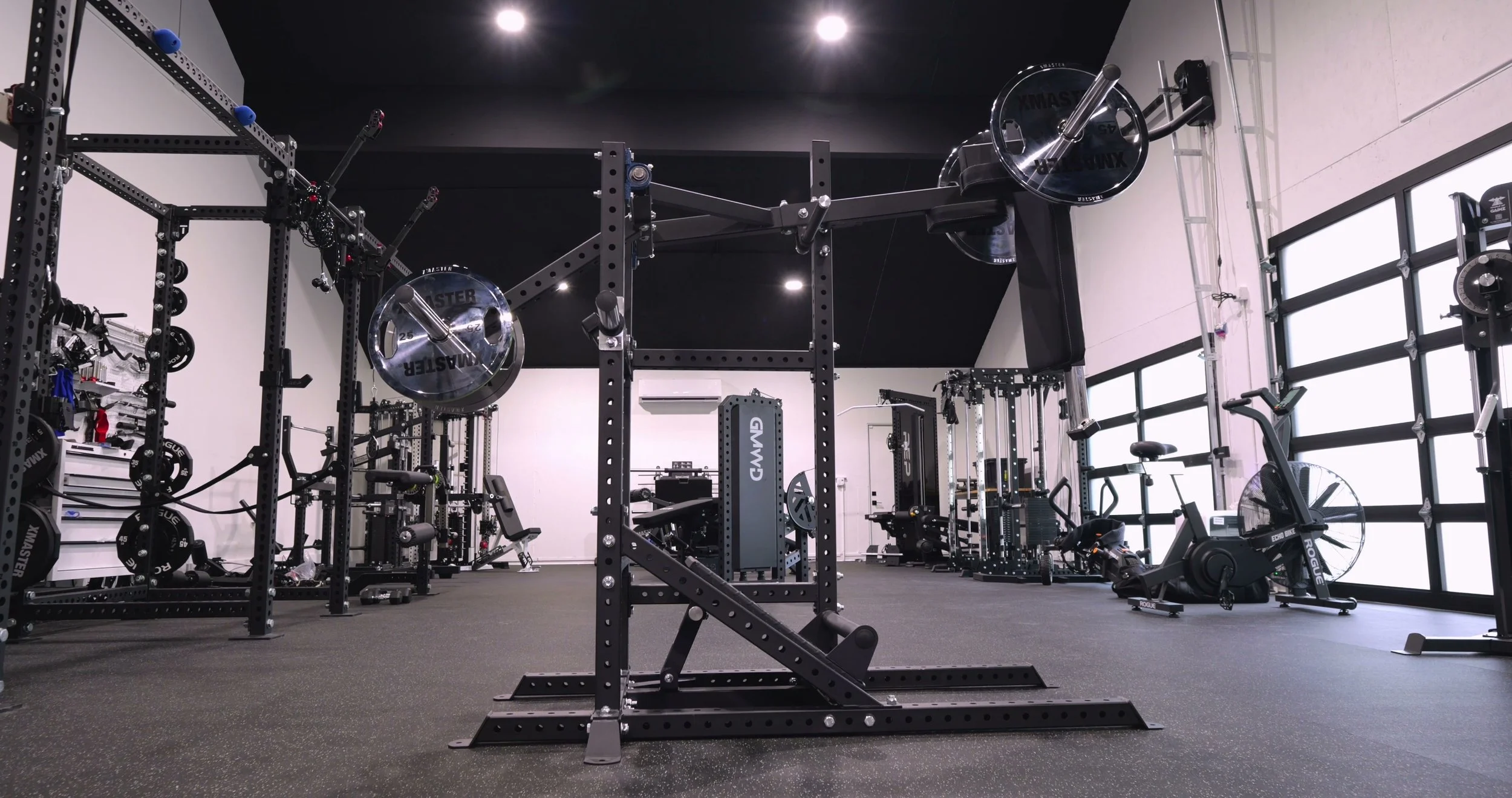
This product was tested in-house by Michael at The Jungle Gym Reviews.
The Pandemonium is a thoughtfully engineered, three-in-one lever arm machine that nails the pendulum squat experience while adding a welded calf block and a removable back pad for Viking/overhead pressing. It costs more than the cheapest bolt-together pendulum units, but the smoother arc, heavier-gauge steel, offset loading arm, and bench-quality padding make it a compelling mid-range option for serious home gyms that need leg-focused versatility without paying light-commercial prices.
Quick Takeaway
I spent multiple sessions with the Pandemonium and what stands out is the movement quality. The pendulum arc is remarkably fluid thanks to bearings in the corners and a heavy, well-machined lever arm. The machine gives you a genuine full range of motion without forced compensations—no need for lifting shoes or plates under your heels. That alone makes it worth considering if your joints don’t respond well to free‑bar squats. Add the offset loading arm for tailoring the resistance curve, the welded knurled calf pipe, and the Viking-press conversion, and you’ve got a single footprint doing the work of several pieces of equipment. The tradeoffs are the footprint with plates on and a footplate width just under 22 inches, which can feel tight for very wide squat stances or bigger lifters.
Quick Specs
Price: $1,749
Footprint (Full Setup): ~44 inches wide (with weight horns)
Footprint (Frame Only): ~28 inches wide
Construction: 11-gauge steel frame with thicker brackets
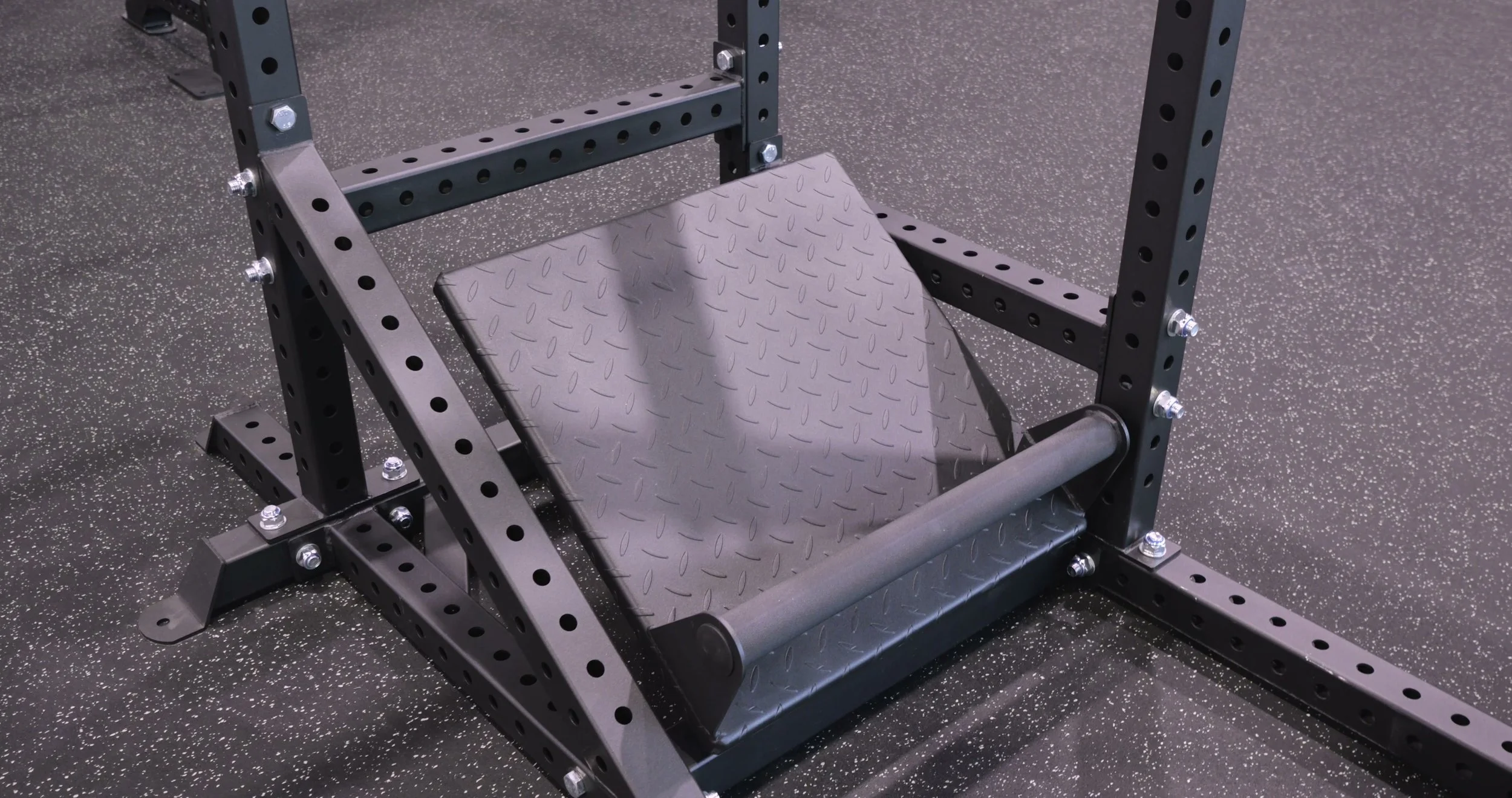
Footplate Width: ~21.5 inches (diamond texture)
Key Features: Pendulum squat, built-in calf block, Viking press handles, carabiner for cable attachments, offset loading arm
Where to Buy
You can find the Bells of Steel Pandemonium Squat using the links below:
My Real-World Experience
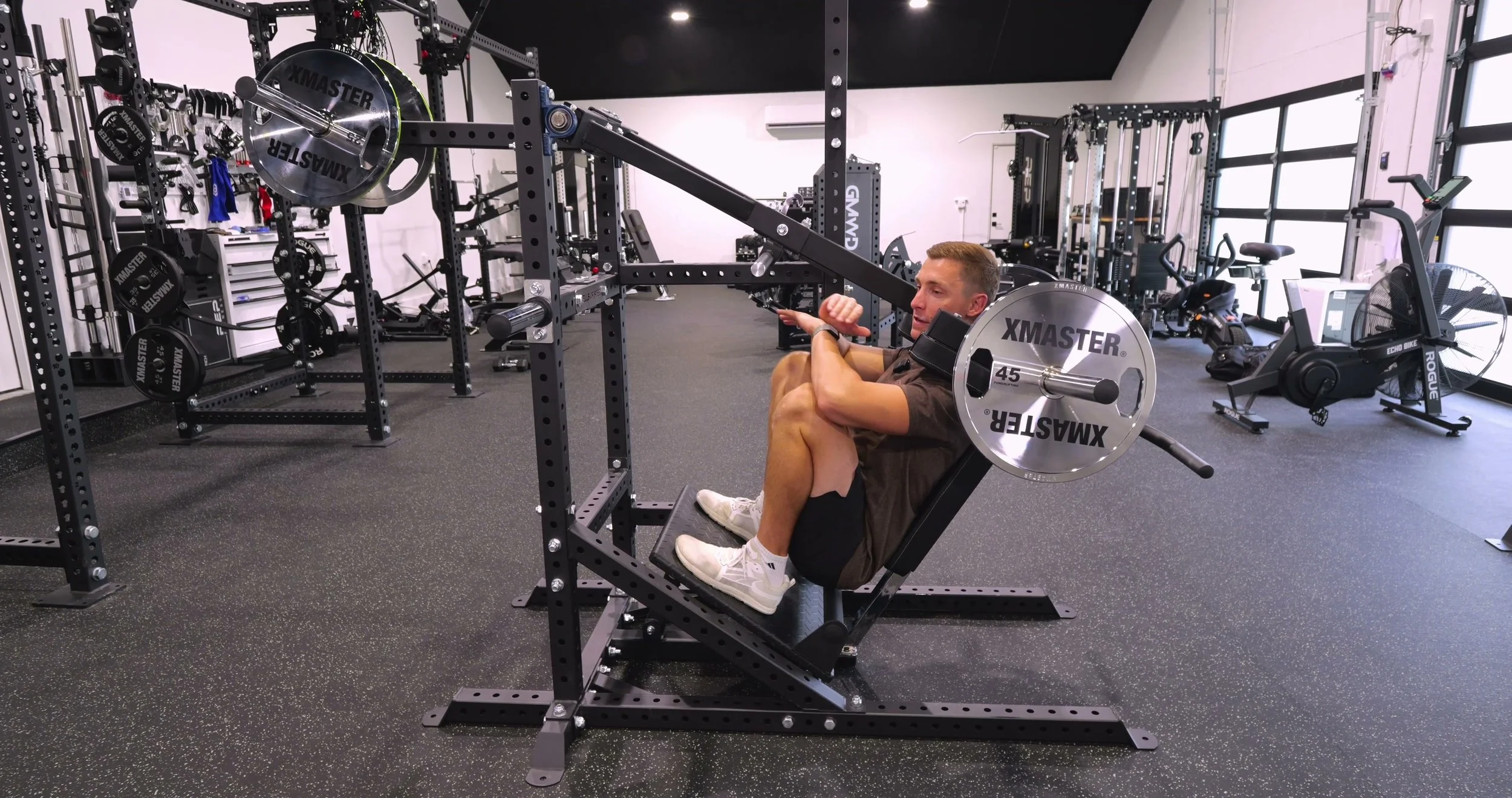
I put the Pandemonium through typical lower‑body sessions (multiple warmups plus working sets) and a few upper‑body accessory movements that exploit the lever arm and the rear carabiner. The first thing I noticed when stepping into the machine was how easy it is to get into position—there’s no crossbar or hindering rear frame. You walk in, shimmy your shoulders under the pads, set your feet on the diamond plate, and lock in. The back pad is long enough to support my lower back during the entire arc; on some cheaper pendulum units I’ve tested the back pad is too short and you start to slide or flail hips under load. That’s not an issue here.
The movement itself is smooth and natural. I set the footplate to the lowest angle (I’m 6'2" and I prefer that setting) and used the threaded pop‑pin stopper in a mid/top position to control my range. With that setup I could get a deep, controlled descent that felt comfortable on ankles and knees—no structural tweaks or wedges required. The machine genuinely delivers the joint‑friendly range of motion people seek with pendulum squats: deep, supported, and repeatable.
Beyond the squat, I used the lever arm in a couple of auxiliary ways: standing calf raises off the welded, knurled calf pipe and Viking‑style overhead pressing after removing the back pad. I also clipped a cable handle to the carabiner at the rear and did a few standing biceps curls to test the cable functionality. The cable option isn’t a replacement for a full functional trainer, but it’s a useful add when you want single‑arm or standing cable work without buying a separate machine.
Build Quality and Adjustability
Right away you can tell Bells of Steel built this to a higher standard than the cheapest bolt‑together pendulum options. The frame uses 11‑gauge steel and several brackets appear thicker than that. The joint corners run on bearings, and the lever glides with essentially zero play or wobble. That translates to a very consistent feel rep to rep—no slop or creak that makes you question the machine under heavier loads.
Padding quality is another standout. The shoulder pads and back pad use thick, dense vinyl similar to higher‑end benches. The vinyl has a little tack to it so your shoulders don’t slide under load, and the padding density holds shape even when you press hard into it. That matters on a pendulum squat where you’re relying on the pad for support throughout an extended range of motion.
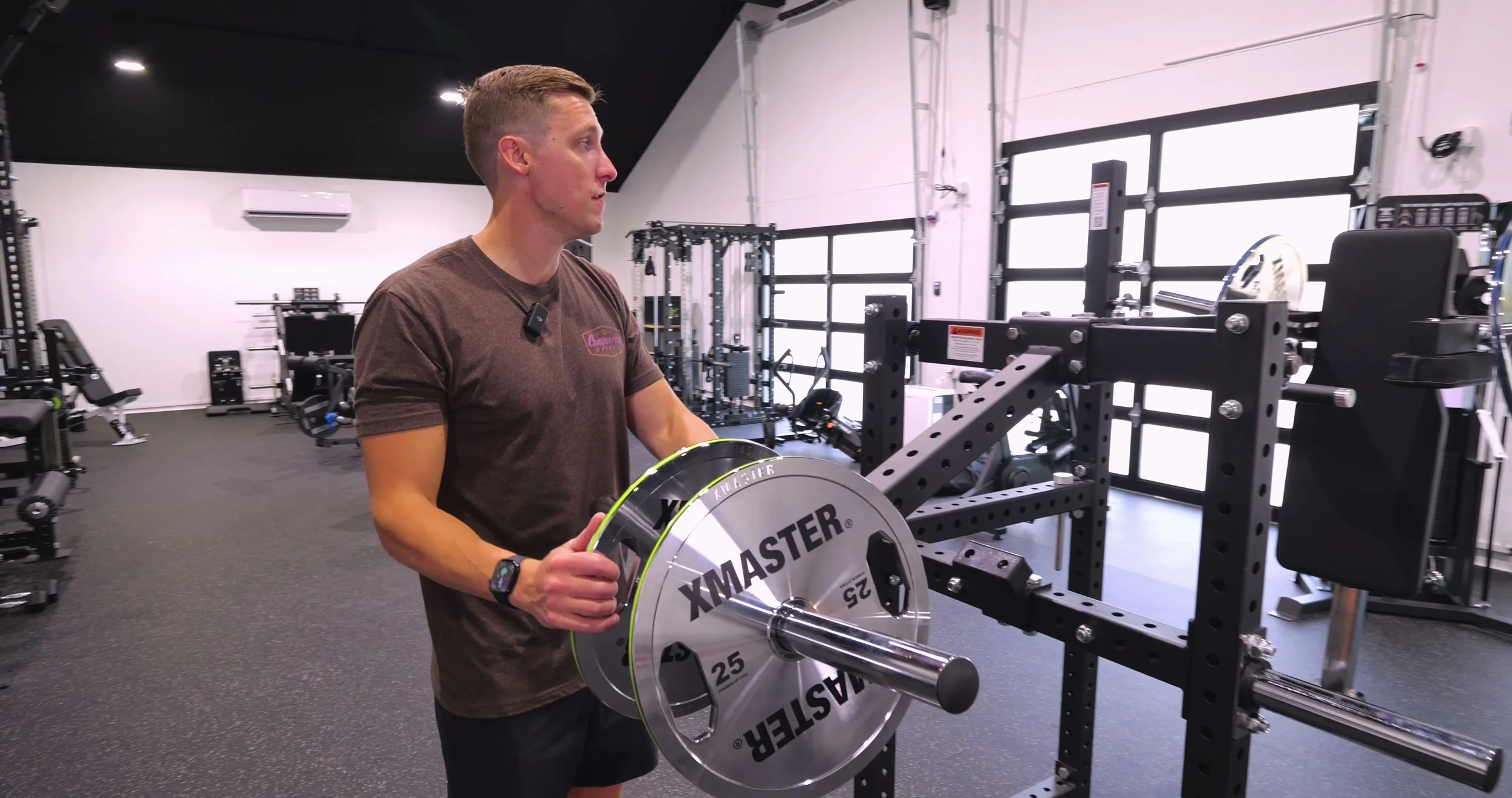
Adjustability is practical: the footplate offers multiple angle positions (I prefer the lowest as a 6'2" lifter), the safety/stopper is a threaded pop‑pin with several height options so you can set consistent depth, and the two weight horns—main arm and counterbalance arm—are angled so plates slide on and stay put without collars. There’s also plate storage on either side of the machine, which helps keep the setup tidy. If you want to shrink the unit, the counterbalance arm is removable; the frame-only footprint drops from roughly 44 inches to about 28 inches.
The Offset Loading Arm
The offset loading arm is one of the features that elevates the Pandemonium above cheaper, single‑purpose pendulum units. It acts as a counterbalance and lets you change how the resistance feels through the arc. You can put plates or bands on that secondary arm to slightly bias the load so the bottom of the movement feels lighter or heavier depending on your programming. In practice this lets you tune the resistance curve for technique work or to manage joint loading.
One practical note: if you remove or leave the counterbalance arm empty, the main lever arm feels heavy—especially at the bottom of the descent. In my sessions I rarely loaded more than a 45‑pound plate on the counterbalance; without weight there’s a noticeable heft that makes the bottom feel much harder. That’s not a flaw, it’s just the physics of a long, heavy lever; the counterbalance is there to help you dial it in.
Built-In Calf Raise and Viking Press
They welded a circular, knurled calf pipe into the frame, and it’s genuinely useful. The pipe is knurled enough that you don’t slip, and the circular profile lets you shift your foot position forward or back to emphasize the balls of your feet or the toes for more range. It sits out of the way when you’re squatting, so it’s a low‑cost, high‑utility addition for home gyms where footprint matters.
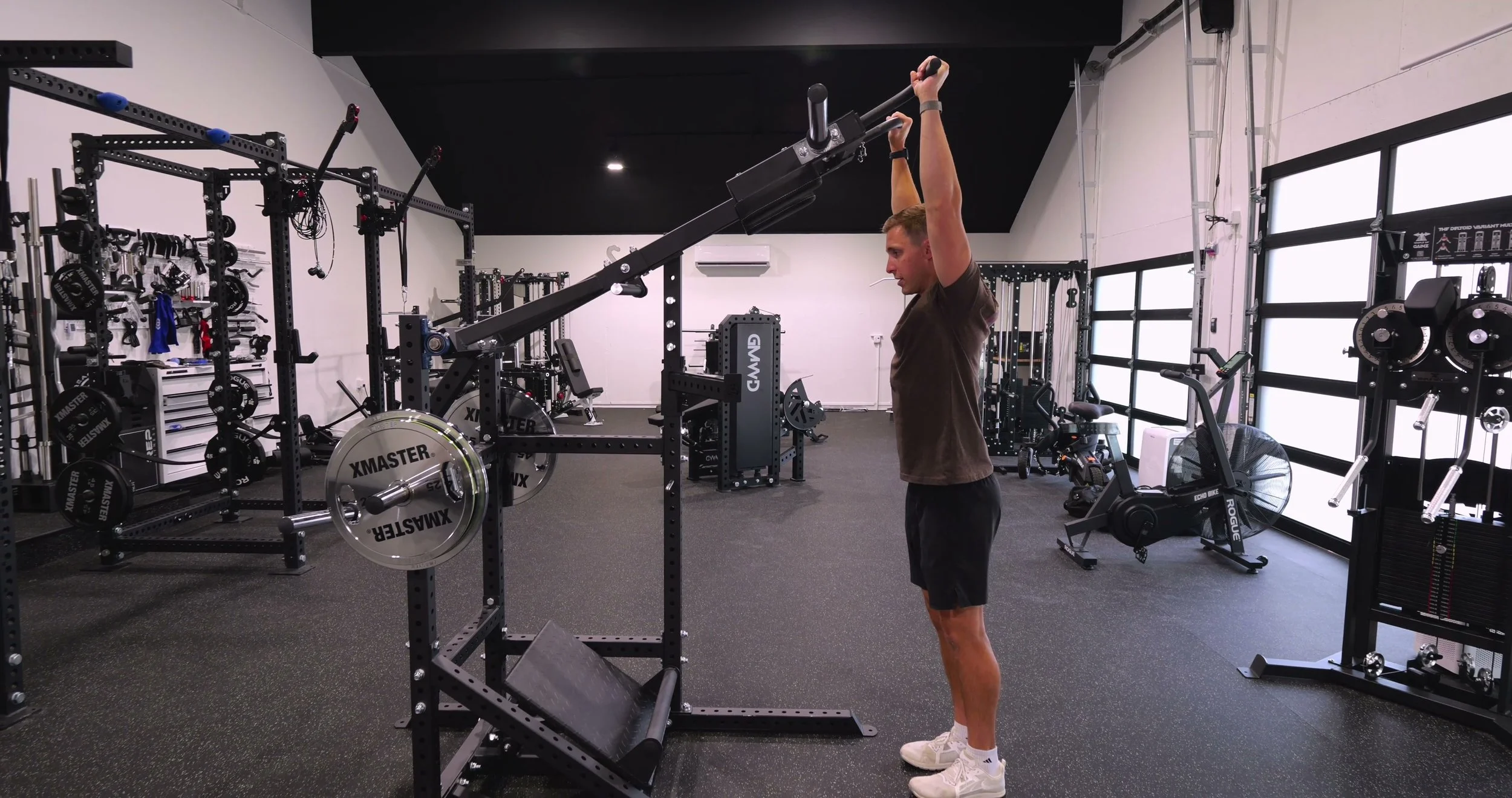
The Viking press conversion is straightforward. Two detent mag‑pins secure the back pad assembly; pull them and remove the pad to expose two inner knurled handles. Bells of Steel included a rubber‑lined spotter arm (mounted on a 45‑degree bracket) to catch the lever arm when pressing so you don’t damage the paint or metal. The inner grips are actually functional—there’s real texture, not just cosmetic knurling—so they give a secure feel for overhead pressing or neutral‑grip work.
I tested standing Viking presses at my height (6'2"). The only limit I hit was the counterbalance arm making contact with the rear rubber stopper at full lockout. The company lists 6'5" compatibility; based on my hands‑on time I’d be cautious recommending it for consistent use by lifters above roughly 6'3"–6'4" if you need full overhead extension without interference.
Cable Attachments
At the very rear of the lever arm there’s a small carabiner clip that lets you attach a handle or rope and use the lever as a cable surrogate. I clipped on a single‑handle and ran some standing biceps curls and overhead triceps extensions. It’s not a full replacement for a dedicated cable stack—there’s no weight plate selector or continuous tension—but it’s an effective workaround for occasional cable needs and adds genuine accessory value to the machine. You can also combine plates and bands on the main and offset arms to create hybrid loading profiles for cable‑type movements.
Comparisons / Alternatives
On the lower end is the GMWD pendulum squat (around $800–$900). That unit handles the pendulum squat role but compromises on padding, has more play in the pivot points, and lacks the offset loading arm, calf pipe, and Viking press conversion. If you just want an inexpensive pendulum squat and are willing to accept lower finish and fewer features, the GMWD is serviceable. If you want a better movement feel and more versatility, the Pandemonium is the next logical step.
At the higher end you’ll find light‑commercial pendulum machines that add features like sliding linear bearings on the footplate or heavier duty components; those typically start in the low $2,000s and go up. Those machines will shave off the compact‑machine compromises (footplate travel, additional adjustability), but they cost noticeably more. The Pandemonium sits between these extremes: more polished and versatile than budget units, but more affordable than light‑commercial, sliding‑plate designs.
Tradeoffs
The Pandemonium balances compactness with functionality, but that balance introduces limits you should weigh. Footprint: with weight horns populated the machine stretches to about 44 inches wide; remove the counterbalance and the frame compresses to roughly 28 inches. If floor space is tight, the removable counterbalance is a helpful option—but remember the machine feels heavier and less balanced without it.
Footplate width is another tradeoff. The plate measures just under 22 inches (roughly 21.5"), and the supporting arms run close to the edge. If you’re a very wide squatter or you have large quads that push your knees further out, your knees can brush the supporting arms at the bottom of a deep squat. I didn’t experience this with my stance, but it’s real for some people.
Height is the final limit to flag. Bells of Steel lists taller compatibility, but in practice I found around 6'3"–6'4" may be the threshold where the counterbalance or stoppers begin to limit full overhead range in the Viking press. If you’re routinely above that height and plan to use the machine for overhead pressing, test the clearance carefully.
Who Should Buy This
Buy this if you want a high‑quality pendulum squat that protects your joints and delivers a smooth, deep arc, but also want the ability to do standing calf raises, Viking presses, and occasional cable movements without adding separate machines. It's aimed at the home gym owner who values movement quality, solid build, and versatility above the cheapest possible price.
Who Should Skip It
Skip it if you prefer an exceptionally wide squat stance (the footplate and supporting arms may feel restrictive) or if you're consistently taller than about 6'3"–6'4" and need full, unrestricted Viking press lockout. Also skip if you want a dedicated sliding‑plate commercial pendulum with linear bearings—those cost more but solve some of the compact‑machine tradeoffs.
Common Questions
Can I remove the counterbalance arm to save space?
Yes. Removing the counterbalance arm reduces the machine width from about 44 inches to roughly 28 inches. Be aware that without weight on the counterbalance the main lever arm will feel significantly heavier, especially at the bottom of the range.
Do I need collars for the weight horns?
No. The weight horns on both the main arm and the counterbalance are angled upward so plates slide down and stay put; you don’t need to use clips or collars in normal use.
Is the Pandemonium hard to get into?
No. There’s no crossbar blocking entry—you literally walk in, set your feet on the diamond plate, and drop under the shoulder pads. The back pad is long enough to keep you stable through the range.
Final Verdict
The Pandemonium is a well‑executed, multi‑purpose pendulum machine that leans into versatility without compromising the core movement. For $1,749 you get a beefy 11‑gauge frame, near‑commercial feel in the pivots and padding, an offset loading arm to shape resistance, an effective welded calf pipe, and a practical Viking press conversion with protective spotter arms. If you want a machine that does more than a single‑purpose pendulum squat and you care about movement quality, this is one of the stronger options in the mid‑range market.
Check it out here:
The Jungle Gym Reviews may earn a commission from purchases made through our affiliate links. This helps support the channel and allows us to keep testing equipment.