Ancore Pro Portable Cable System Review
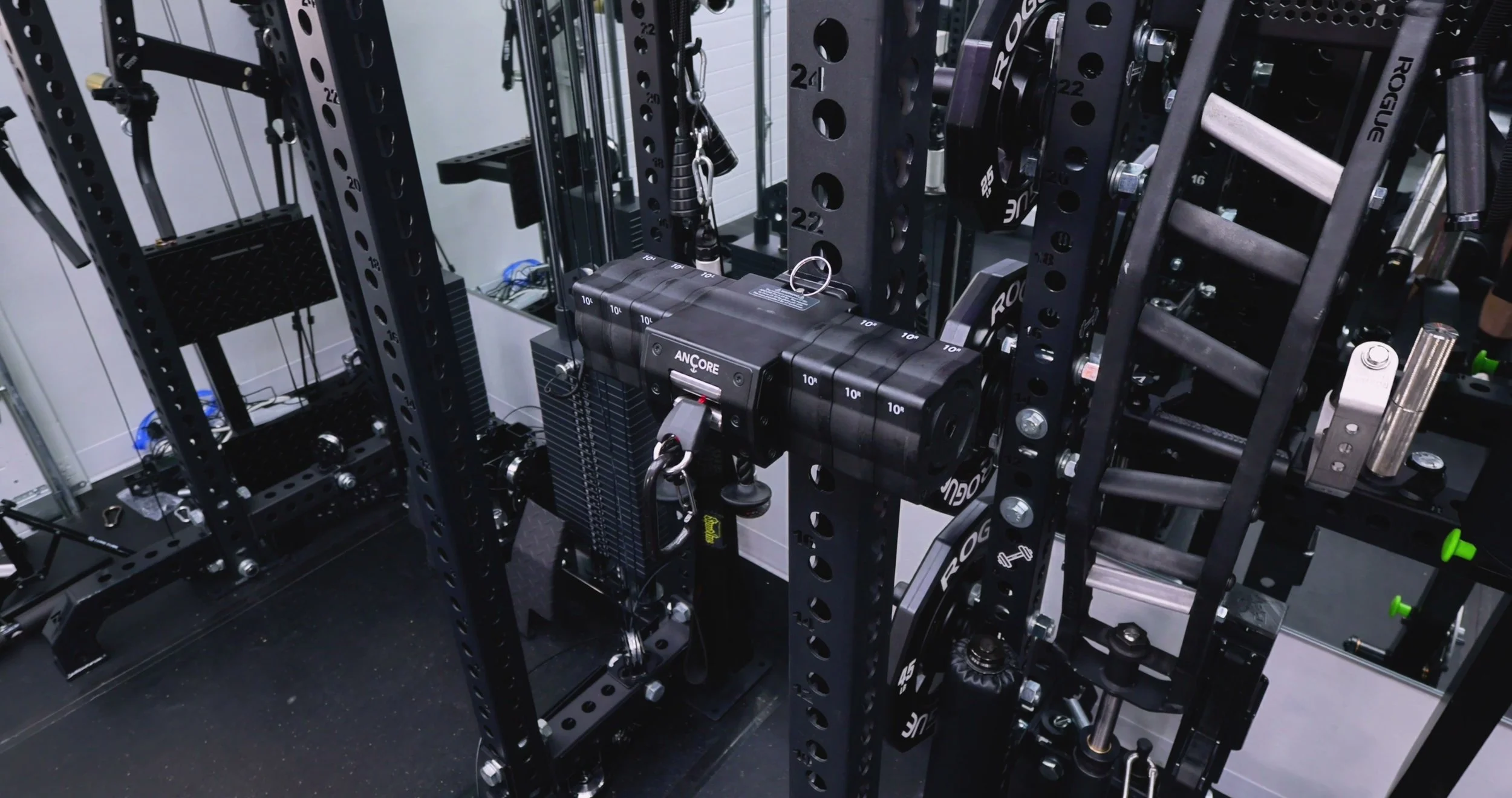
The Ancore Pro is a portable cable system that delivers functional-trainer style movements without needing a full machine footprint, making it best for home gym owners who want cable training in a compact format but don't need to pull more than its 65-pound resistance cap.
Quick Specs
Price (Single Unit): $749
Price (Dual Setup with Rack Mounts): ~$1,950
Rack Mount (Add-on): $179 each
Max Resistance (Ancore Pro): 65 lbs
Max Resistance (Ancore Pro Plus): 65 lbs
Max Resistance (Ancore X): 80 lbs
Base Unit Resistance: 5 lbs
Weight Increments: 5 lbs (2.5 lb plates optional)
Pulley Ratio: 1:1
Equivalent 2:1 Functional Trainer Weight: 130 lbs
Cable Length: 8 ft
Resistance Type: Torque-loaded spring (mechanical)
Power Required: None
Warranty: 2 years
Manufacturing: Assembled in Massachusetts, USA
Rack Compatibility: 2×2, 2×3, 3×3 racks
Hole Compatibility: 5/8” holes or larger
Hole Spacing Compatibility: 2”, 3”, or 4”
Check Price
Check official pricing from Ancore. Use code "JUNGLEGYM" for $60 off:
My Real-World Experience
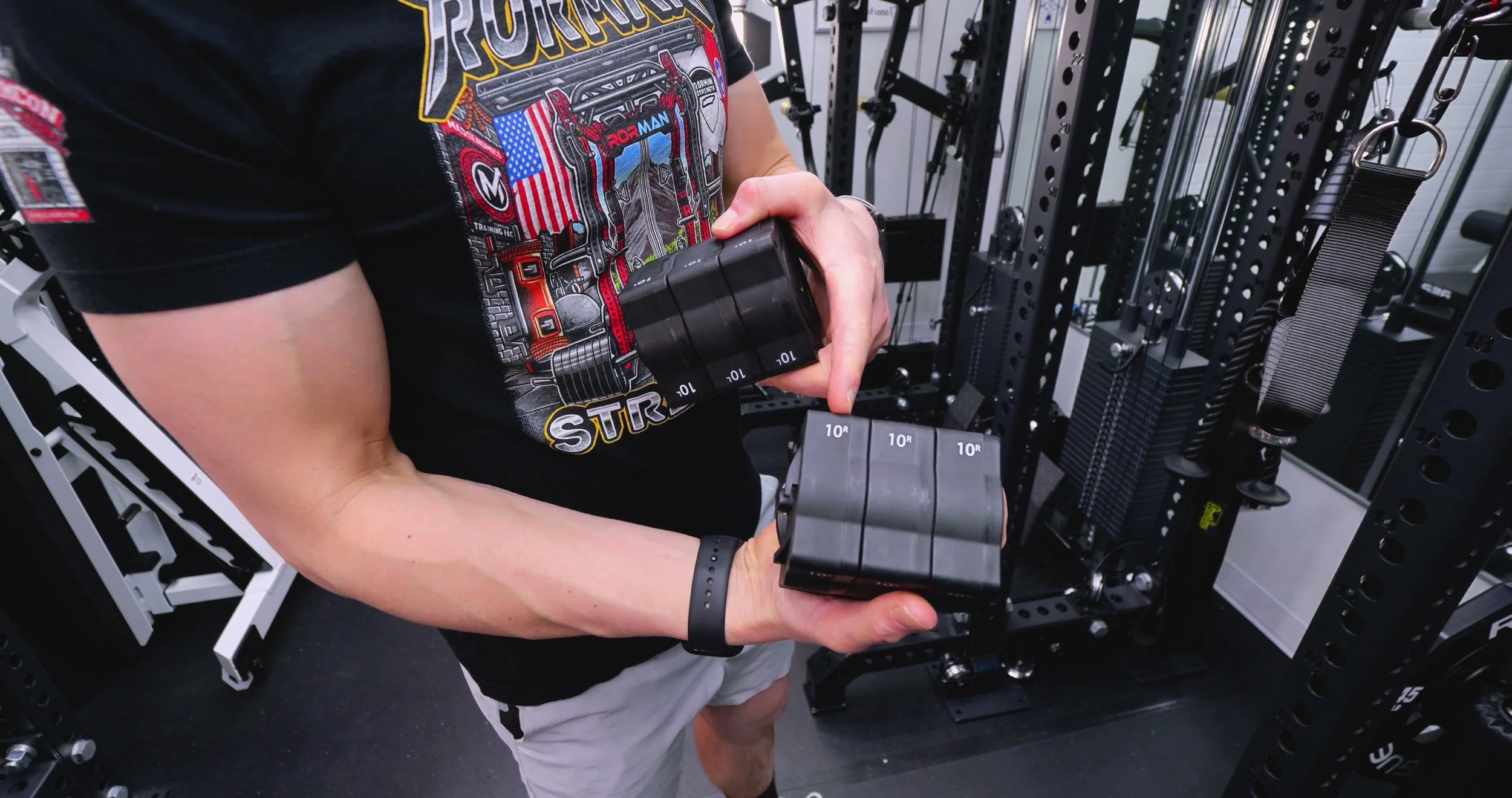
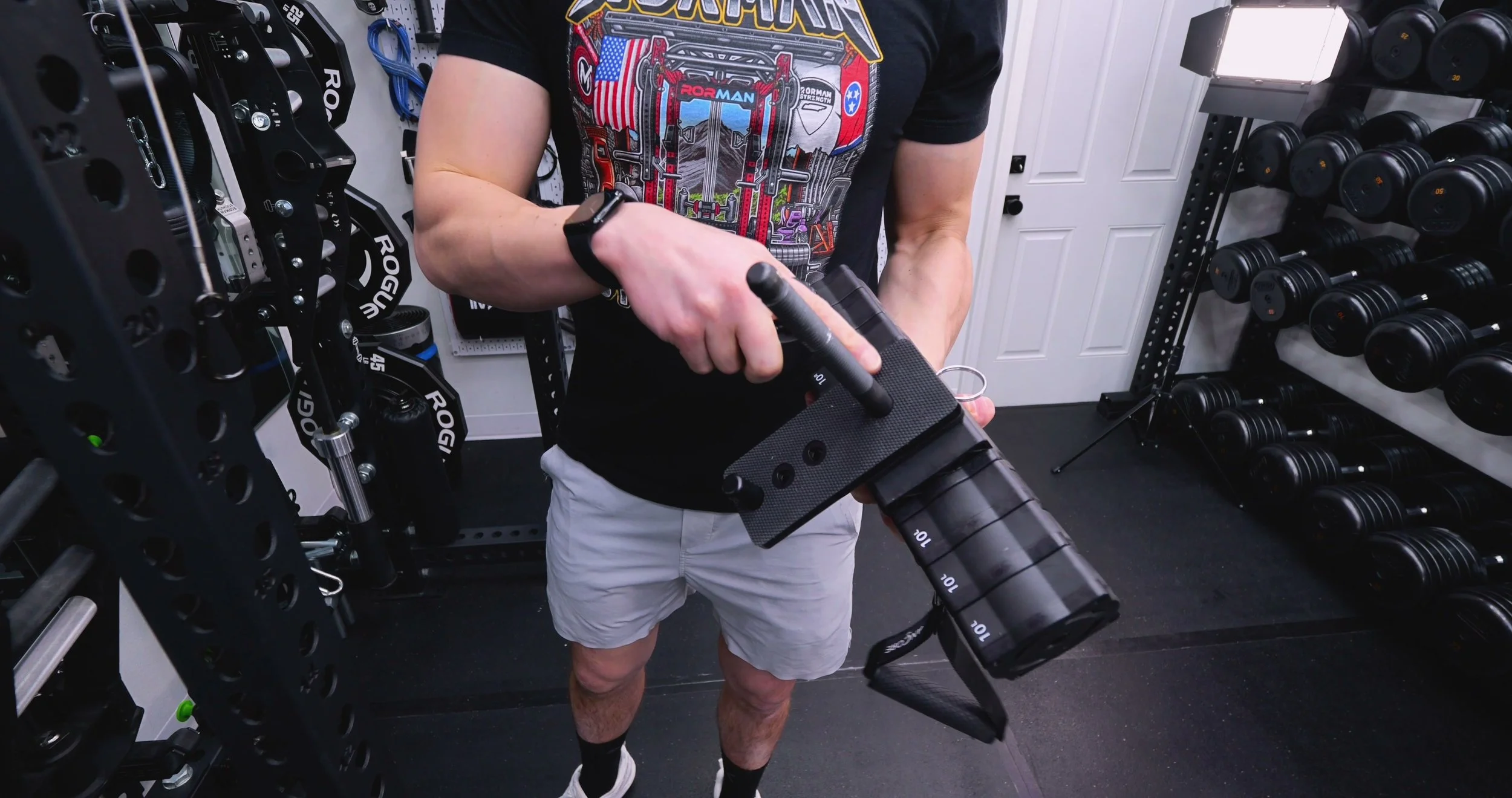
The defining feature of the Ancore Pro is the way resistance is generated. Instead of weight stacks or plates, it uses torque-loaded spring plates that snap into the unit. Each plate represents a fixed resistance value, and the total stack of plates determines the final resistance up to 65 pounds. Installation is straightforward: you angle the plates into the housing and they lock into place, which makes changing resistance quick once you understand the orientation.
I’ve been using two of these units mounted to my rack, which essentially creates a portable dual-cable setup. With the rack mounts installed, moving the unit between rack holes takes only a few seconds. The standard strap mount works on almost anything—uprights, trees, poles—but in practice I prefer the rack mounts because the strap can slide during certain movements.
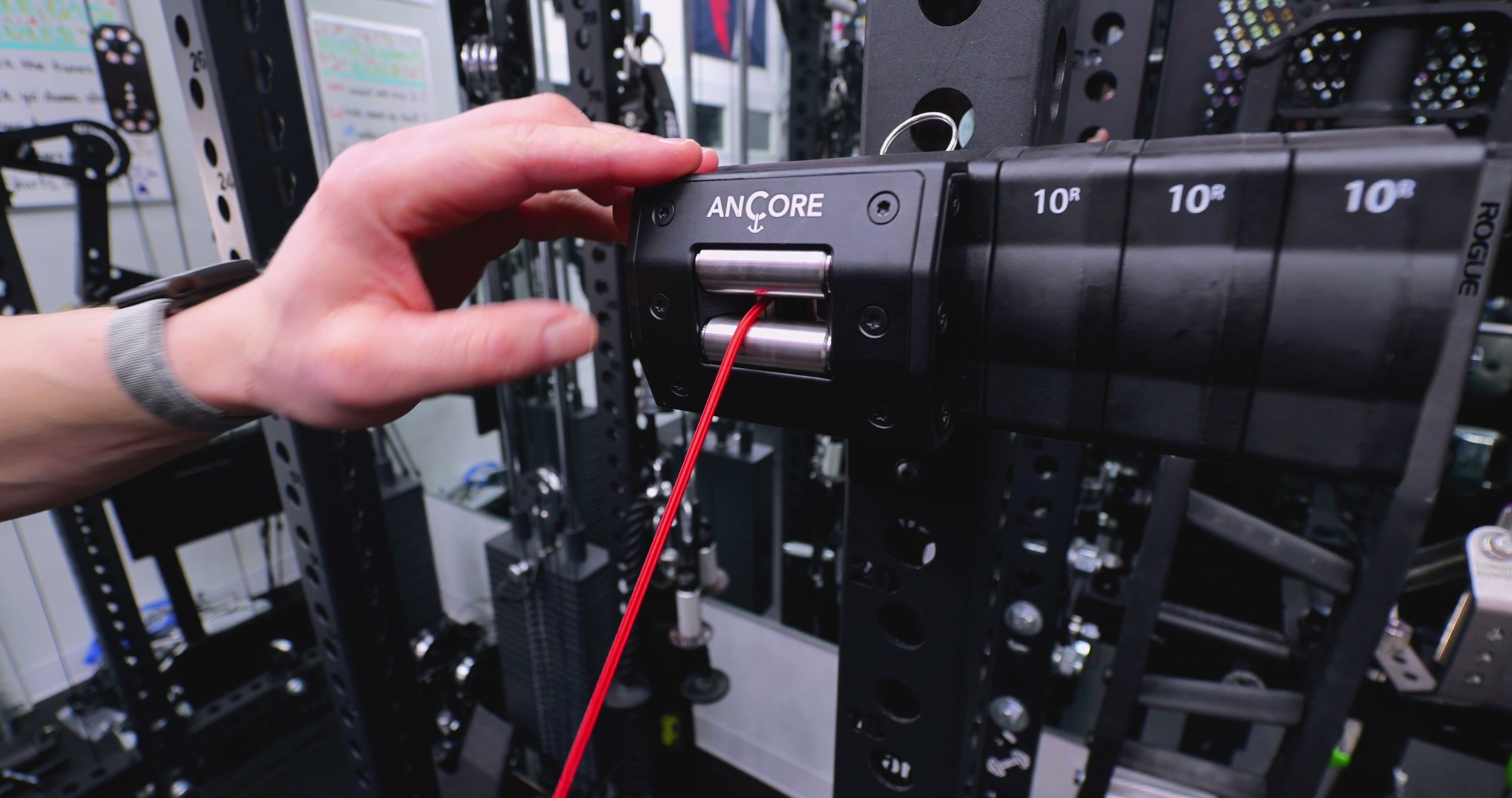
The cable system itself is well protected with multiple rollers guiding the cable path. That means you can pull in most directions without damaging the cable, although pulling directly sideways can cause the cable to rub against the plastic edge. In normal training angles, it works fine.
Training Use Cases
In actual workouts, I’ve used these as a direct substitute for a functional trainer for most movements. Cable crossovers, curls, triceps pushdowns, lateral raises, and other accessory movements all work essentially the same. The cable length of eight feet is more than enough for typical exercises and allows a wide range of movement paths.
The biggest advantage is portability. Unlike a traditional cable machine, this unit can mount to almost any rack, anchor point, or structure. That makes it useful in home gyms where space is limited or where installing a dedicated weight stack system isn’t practical.
Tradeoffs & Limitations
The main limitation is resistance. With a maximum of 65 pounds per unit, heavier cable exercises become the limiting factor. Even with two units combined, some users may still want more resistance for movements like lat pulldowns or rows.
The resistance profile also feels slightly different from a traditional cable system. Because the unit uses spring-based torque instead of gravity, the resistance increases slightly as the cable extends. It’s not as extreme as a resistance band, but it’s noticeably more elastic than a weight stack.
Value & Alternatives
The Ancore Pro sits in a unique category between portable cable systems and full functional trainers. A single unit costs less than many rack-mounted cable systems, but a full dual setup approaches the cost of traditional cable machines. The value comes from versatility: you can mount it almost anywhere, move it easily, and use it in environments where installing a permanent machine isn’t possible.
Who Should Buy This
Home gym owners who want cable training without dedicating space to a full machine, athletes who value portability, and users who primarily perform lighter accessory movements.
Who Should Skip It
Lifters who rely on heavy cable movements or who want the smooth feel and load capacity of a traditional weight-stack functional trainer.
Common Questions
Is the 65-pound limit enough for most exercises?
For accessory movements like curls, tricep extensions, and lateral raises, 65 pounds is plenty for most users. However, for heavy compound movements like lat pulldowns or seated rows, stronger lifters will likely find the 65-pound limit too light.
How does the resistance feel compared to a weight stack?
The Ancore Pro uses torque-loaded springs, so the resistance increases slightly as the cable extends, unlike the constant tension of a gravity-based weight stack. It feels more elastic than a weight stack but not as extreme as a resistance band.
Do I need the rack mount?
While the standard strap mount works on various structures, the dedicated rack mount is highly recommended for stability. The strap can slide during certain movements, whereas the rack mount makes repositioning quick and stable.
Final Verdict
The Ancore Pro is a clever solution for adding cable functionality to almost any training setup. Its portability and versatility make it attractive for small gyms or mobile training environments, but the resistance ceiling means it won’t replace a full functional trainer for everyone.
Check price of the Ancore Pro at Ancore.
This article contains affiliate links. If you purchase through them, I may earn a commission at no additional cost to you.